What Happens When Your Birth Doesn't Go as Planned? Insights from Doula and Therapist Jamie Bodily

Andrea Crafton interviews doula and therapist Jamie Bodily about birth trauma and unexpected birth experiences
Many women spend months preparing for labor and delivery, only to find that birth unfolds differently than expected.
While unexpected outcomes can be disappointing, what often leaves the deepest impact isn't the change in plans, it’s whether a mother felt heard, respected, and involved in the decision-making process.
Recently on Bloom Motherhood Conversations, I sat down with Jamie Bodily, a doula, therapist, and coach for birth professionals, to discuss what happens when birth takes an unexpected turn and how mothers can navigate those moments with greater confidence, support, and self-trust.
Why Unexpected Birth Experiences Feel So Difficult
When birth changes course, many mothers begin asking themselves:
What did I do wrong?
Should I have spoken up?
Did I make the wrong choice?
Why didn't anyone listen to me?
Others direct those feelings outward:
My provider should have listened.
My partner should have supported me differently.
My doula should have done more.
The truth is that birth is complex, and outcomes are influenced by many factors. Blaming yourself rarely tells the full story.
The Role of Fear and Loss of Control During Labor
One of the most powerful points Jamie shared is that labor naturally encourages women to rely on intuition, creativity, and inner wisdom.
However, when fear enters the room through rushed talks, pressure, or feeling unheard, many women shift into survival mode.
This can make it harder to:
Trust themselves
Ask questions
Voice concerns
Make decisions aligned with their values
Feeling safe is not a luxury during birth rather it is essential.
A Simple Framework for Navigating Difficult Birth Decisions
Doulas Provide More Than Physical Support
A recurring theme throughout our conversation was the valuable role doulas play in helping mothers feel supported, informed, and empowered throughout pregnancy and birth. Jamie shared a three-step approach doulas and support people can use when a mother becomes overwhelmed:
1. Validate
Acknowledge the situation.
"That was a lot of information." (when trying to make an informed decision)
Validation helps mothers feel seen and understood.
2. Regulate
Support the nervous system.
This might include:
Deep breathing
Taking a shower
Listening to calming music
Stepping away from the situation briefly
A regulated nervous system can make clearer decisions.
3. Reconnect
Help mom reconnect with herself.
Questions such as:
What feels right to you?
What matters most right now?
What information do you still need?
This can help mothers to return to their own values and preferences.
The Number One Predictor of Birth Trauma
Research consistently shows that birth trauma is often linked to feeling unheard, dismissed, or powerless during labor.
Many mothers tolerate interventions well when they:
Understand why they're happening
Feel included in decision-making
Believe their concerns are respected
The issue is often not the intervention itself, but the loss of autonomy.
Choosing the Right Provider Matters
One of the most practical takeaways from our conversation was the importance of choosing a provider who aligns with your values.
Questions to consider asking:
What is your approach to labor and birth?
How do you support patient choice?
How do you handle unexpected changes during labor?
What resources do you recommend for pregnancy and birth education?
The relationship with your provider can significantly shape your birth experience.
My Reflection
As a perinatal therapist, I often work with women who are processing difficult birth experiences. One theme I hear repeatedly is that mothers are not only grieving how their birth unfolded, but also the experience of feeling unheard, unsupported, or excluded from important decisions.
This conversation with Jamie highlights why emotional support, informed decision-making, and strong provider relationships matter so much during pregnancy and birth.
If you're experiencing ongoing distress after childbirth, you may benefit from specialized birth trauma therapy.
Final Thoughts
A positive birth experience is not about having a perfect birth plan. It is about feeling respected, informed, and supported throughout the process.
While birth does not always unfold the way we expect, every mother deserves to feel heard and empowered in her decisions.
Watch the Full Conversation
In this episode of Bloom Motherhood Conversations, Jamie and I discuss birth trauma, advocacy, provider relationships, and how mothers can stay connected to their voice when birth doesn't go as planned.
Need Additional Support?
Schedule a free 15-minute consultation today.

Birth experiences can leave lasting emotional effects, especially when you feel unheard, dismissed, or overwhelmed by what happened.
As a Licensed Professional Counselor and Perinatal Mental Health Certified clinician, I help women navigate pregnancy, postpartum challenges, infertility, and birth trauma.
If you're struggling with a difficult birth experience, support is available.
Andrea Crafton, LPC, PMH-C
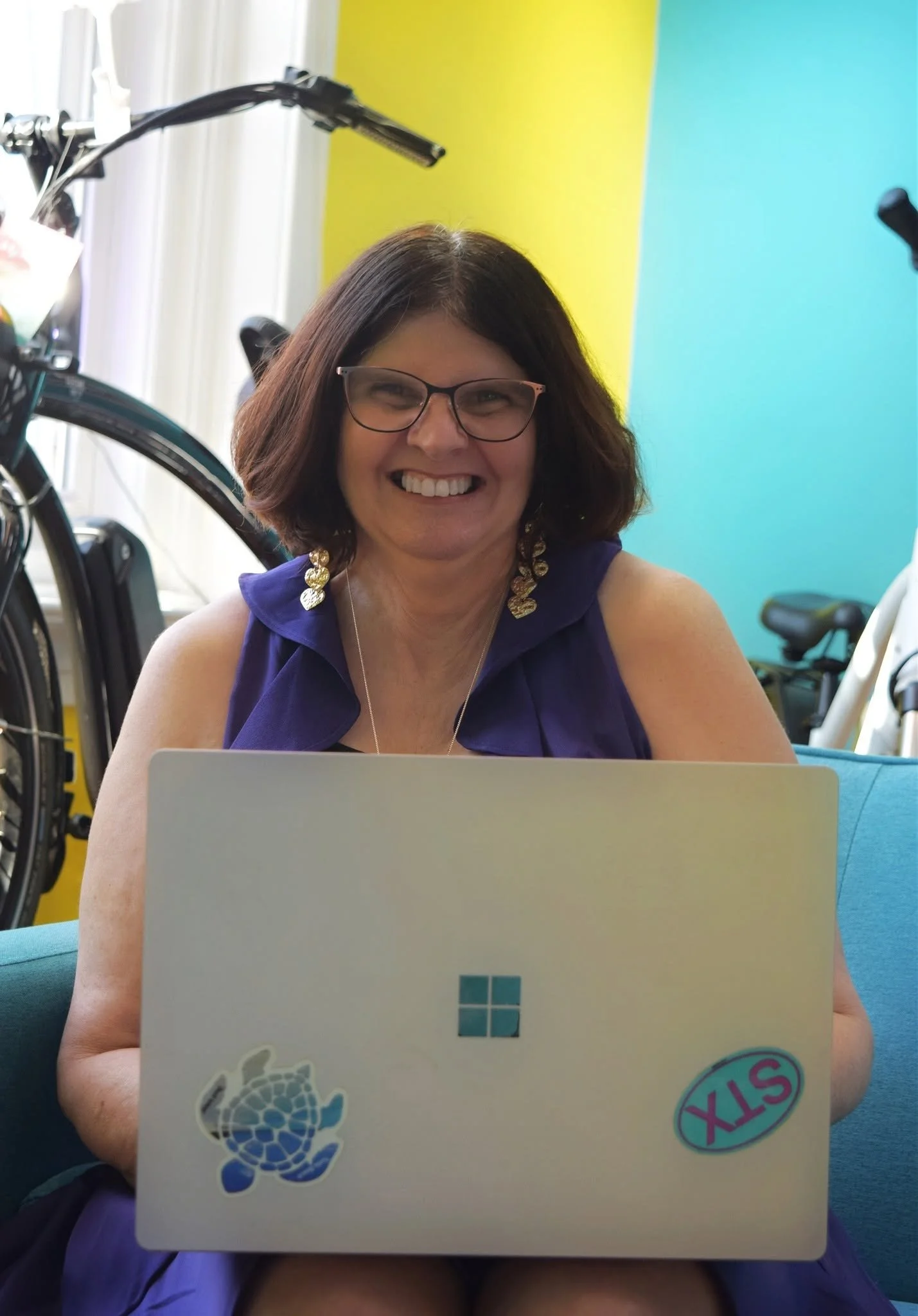
About Jamie Bodily
About Jamie Bodily
Jamie Bodily is a doula, therapist, and coach who supports birth professionals in providing exceptional care while preventing burnout. Her work focuses on helping doulas deepen their skills, strengthen client relationships, and navigate the emotional complexities of birth work.
Jamie has a free doula group sharing her expertise and knowledge. Join here: https://www.facebook.com/groups/soulfuldoula
Episode Transcript
Below is the full transcript of my conversation with Jamie Bodily on Bloom Motherhood Conversations.
Andrea Crafton with Bloom Perinatal Therapy, and we have another episode of Bloom Motherhood Conversations today, and our special guest is with Jamie Bodily, and I'm going to let her introduce herself and let you know what her qualifications are and how she helps moms. So go ahead, Jamie. My name is Jamie, as Andrea said, and I have been a doula since 2000. So many, many years serving families as a doula. I'm also a therapist specialized in perinatal mood disorders and birth trauma. My first handful of clients had extreme mental health issues and it just piqued my interest and I just wanted to go deeper. So I did the thing. Now I'm a coach helping doulas to be able to do their work, to not burn out, to have the ability to really support clients at a very deep and high level. Yeah. And one thing I like also how Jamie really supports doulas is also seeing the value in their work and their expertise and how they support moms. And so it's,
She's a wealth of knowledge and information, and I think that she's a little bit different when we talk about doulas because she also has that expertise and knowledge on the therapy side of things and supporting moms. So, I know our topic today, we will be discussing what happens and what do you do when your birth doesn't go the way that you planned or it goes awry. Like, what do you do and how do we support these moms and, you know, just... What do we do? Because that's a common thing that I hear from moms, especially who have experienced birth trauma, is these things happened, but I didn't know what to do. And now I don't know if I even want another baby or if I want another baby. How do I plan for that? And how do I have a different birth experience? So, Jamie, go ahead and explain or tell us a little bit more what you see working with clients and other doulas. When those births go sideways? Yes.
I get to see both sides of it, which is insightful, right? The client usually feels a lot of disappointment. Sometimes it's in themselves, and sometimes they're just pushing it outward. The nurse should have, the doctor should have, my doula should have. So we see some of that, or we see them go fully inward and blame themselves that they should have done more research, they should have known better, they should have known what to do. With the doulas, I see the same pattern show up. They will go inside. I should have known what to do. I should have taught more. I should have said more. I should have done more. I should have spoken up or we'll see them. Why doesn't the medical system ever listen to them? Why is this such a mess? Why do I always have to clean up the mess? So both of them have the same pattern, maybe different ideas, but the same pattern, right?
Yeah, I mean, that sounds so familiar with the clients that I work with. And some of it, of course, is putting the puzzle pieces together. That's what I was saying, connecting the dots and really not internalizing or blaming yourself for that birth experience per se. So when that happens or, you know, or what are some of the reasons do you feel like moms are having that experience? I think that A lot of them are relying on someone else to give them the right answer. And I don't know that we talk enough about birth doesn't have a right answer. It's going to unfold the way it unfolds. And that has to do with so many pieces, right? But it's unfolding. Things go awry. Somebody comes in and uses a tone of voice, looks at you a certain way.
says, if you don't do this, this is going to happen. This bad thing will happen. And maybe you're used to obeying authority. Maybe you're used to letting someone else take the driver's seat on decisions. And so you revert back to old patterns, even though you might have told yourself, this isn't the place I'm going to do that. But we haven't gotten deep enough, right, to move that. To move out of that pattern. Does it make sense? Yeah. And I think like when you said authority figure, what really resonated with me is, and I feel like we've all kind of been in that place, you know, not just with birth, but if this person is supposed to be the professional and they have, you know, 20 years of experience, well, then they must know what's best for me. So that means that I must listen to what they're doing.
Right. And how many partners? I don't know. I don't know what your experience is, but many times I hear the partner just listen to the doctor. The doctor knows what to do. I didn't become a doctor. You're not a doctor. Let's listen to the doctor. Not that it's really hurtful to their partner who's maybe didn't want their birth to go that way. But they're saying you don't know enough. And it's just really hard. A lot of times after that kind of rupture has happened, it's really hard to get them back on track. Yeah, so some of that, and I'm sure you've worked with clients and moms especially, is I always talk about the mom gut feeling. And I know sometimes that's hard in birth because I feel like you are in a different place, if that makes sense. And sometimes...
You know, if we're in pain or we just don't know what to do, then it can be hard to be assertive, right? Or have those boundaries put in place or really know what we need or want. But sometimes just listening to our inner thoughts and our inner voice sometimes can be helpful in those situations. And we have to remember that in labor, a mom's brain is going to the emotional side. It wants its creativity. It wants the intuition. It wants the freedom. It wants expansion, which is really the right side of your brain, the creative space, right? But when we stop a mom, what do you want to do? Or this bad outcome might happen. We shut her creative brain down and switch her over to logical brain, which is there's boundaries. There's rules. There's a right answer. There's all these things that go wrong.
More with the left brain, not totally, but more, right? And then to get her back to letting that right brain take over, she has to feel absolutely safe. And there's just, there's these levels of rupture. And if they keep happening, eventually her brain says, no, you can't trust this side. This side keeps getting us in trouble. You have to listen and follow the rules now. Do the right thing. And There's no doula in the world that's going to overcome that that easily if they haven't used every bit of a prenatal visit to get there, to work with this client, right? Get them to therapy, get them to do the things they need to do so that that's not in their way. I mean, you perfectly, I mean, just put that all together. And because, I mean, we've all, we've,
all of us have probably heard the fight or flight kind of response and that fear, right? And so when that fear takes over, then we're going to feel less in control and we're going to feel less validated and not safe at all in that birthing space, which now, you know, it's set us up for as moms for, you know, again, oh my gosh, this birth is not going the way that I wanted. envisioned it or the way that I needed it to or want it to. So for you, when this happens, and this can be for moms and doulas and professionals, but how do we get them or how do we try to steer them in the right direction, not making choices for them? So I want to make that clear that a doula's job is not to make medical decisions for that mom or that partner. But how do we get to, you know, how do we help them as doulas
in that situation, when we can see that that mom is steering in that direction. I have a three-step formula that I teach to us when we hit these situations. It's going to sound simple. Obviously, there's some training involved always, right? But the very first step is to validate. Wow, that was a lot of information the doctor gave you. And then Shut up and let her just sit with somebody did hear it too. And let her be with her thoughts until she's ready to talk to you. And then when she is, help her regulate. Okay, you know what? That is unsettling to hear that or this is not exactly what you thought you were going to hear. Let's go ahead. Let's splash some cold water on her face. Let's go do some deep breathing. Let's get you in the shower with some music. Let's just get you...
out of this, right? Because she's spiraling at this point. We need to get her out of that. We cannot do anything when she's in that state. There's nothing we're going to be able to do. And then reconnect her to herself. Slow down. Slow down. We've closed the room for 15 minutes. You just be with yourself. You just do what you sing, write, Look at your affirmations. What is it that you need to reconnect to what you want and how you're going to get through this situation? And then if she says, I want to ask more questions, but I'm not sure. Great. As a doula, you are now in your role. That is beautiful. Great. Let's write down five questions we might want to ask. That way her left brain doesn't have to work as hard. I'm sorry, what Jamie? I said, now the doula's in her role and doing her thing.
Yes. And you've done basically what that mom has so-called hired you for in the sense of this is the support. This is what I need. This is the doula's role and why they have a place and are so important and special in turn. You know, we talk about how a doula fits or how their role fits into the birth space. So this is a perfect example how a doula can be so important. And As a doula, also understanding how to put those steps in place and how to effectively do that when the mom is in that place of not feeling validated and not in control. And I think the important part of this too is we don't have to rush, you know, unless it's a true medical decision, we don't have to rush in terms of making a decision. You don't have to know exactly what is right for you in that moment.
Like, you can take some time to take a step back and then make a decision what is best. Absolutely. And we have to remind especially partners that. That was a suggestion. That was a suggestion. If it was a real crisis, this would look different. Sometimes doctors will want to stay in there when you talk to your client. It's up to your client or their partner to say, we'd like a few minutes. Sometimes when I've got that going down, just a tip for doula, sometimes when I've got that going down, I'll excuse myself first. I'll go down, I'll grab something from the cafeteria, and I'll text them, hey, when it's clear, I'm happy to come back. Or take the time to yourselves. I'm down here. I just got a soda. I just got a drink. I'm just...
I'm here when you need me. Because sometimes us taking that first step out says to the doctor, says to the partner, it's okay to ask the doctor to leave too. And the doctor doesn't feel like you're going to go against the medical advice. That's the worry there. Yeah, and I think that's a good point, too, is you always hear, well, if the doula is involved, then how, as a birth support partner, what is my role? What is my job? And that's also, though, where the doula can step in and also support, give that support birth partner also the support that they need and give them some of the tools to effectively support the mom who is in birth as well. Exactly. The partner should be the rock star. When she looks back on her birth, oh my gosh, those hip squeezes, those were amazing. Oh my gosh, you put that washcloth on at just the right time. Who cares if you were coaching them? That's their relationship. That's where the baby grows up. That's where the baby's nurtured. If that relationship is taken care of, every part of those three lives are touched in an amazing way.
Yeah, absolutely. In terms of, you know, making, I guess, when birth goes awry and not the way that we envision it, when a mom truly definitely feels just super out of control and that fear has set in, what are some tips and tricks do you feel like in that scenario to get her re-centered? I think some alone time with her partner. would be number one. Just let the partner love on them. That's what they need in that moment to be nurtured, right? I don't know what to do. That's a clear anxiety signal, right? Because they know what they want, they're afraid to speak it. So the words come out, I don't know what to do. Sometime with the partner, coming back in and saying, you've had a little bit of time.
What do you think you might want to do? If you didn't feel restricted, if you didn't feel like there's a wrong answer, what decision would you make right now? What's the wrong answer? What do you think will happen if you make the wrong choice? Letting her figure this out, right? We got to let her kind of work with this. This is hers. This is her journey. If we make choices for her, if we try to walk it for her, we take away her opportunity to feel confident as a mom, to make those decisions. And we also put ourselves in liability's way. Yeah, which is an important point. Again, we're not there as doulas to make that decision and choice for her. You're just there to support and validate and help her to feel more in control and less fearful and safe. In this situation, sometimes it can feel out of control, especially new moms who, okay, I don't know. I haven't been a mom before. I haven't had a baby before. What might this look and feel like? Well, I don't have any idea because I've not been there.
And so sometimes, you know, until we're in that situation, we may not know exactly what we need until we're there in the middle of that situation. Right. And I'm not one that wants pregnant clients to go listen to negative birth stories. But I do think as doulas, part of our responsibility is to say, well, what would you need to know? Or how would you go about it if this came up during your labor? just to kind of see where they answer. What are they thinking about? Oh, that's a low risk. That's probably not going to happen to me. Okay. They're still very much in their logical brain. It's too scary to hop over and think it might happen to me. So beautiful opening to start working with them again, right? Let's work on that fear that I can't go there. Well,
And some might really do before we have labor want to be able to go there because we just don't know how it's going to unfold. It might all go perfectly. That's true. And we don't want to scare them. We just want to see how they're thinking. So what else would you add, Jamie, or anything that I missed you feel like we need to touch on or is important when we talk about this subject? Do you think women rely on their birth plan? No. Okay. I think for some women, I think that birth plan is really important and it may be like you know, this is exactly how I want things to go and it's super important to them. And they really believe in that birth plan, if that makes sense. They've talked to their provider. They trust their provider. They've had that conversation with their doula, their partner, which is all important because even if I write it down on this piece of paper and I hand this to the nurse who's helping me during my labor, that doesn't mean that somebody, that they're going to look at it or they could look at it
And see that it's very important, but until I've actually verbally expressed it, and I feel I truly believe in what I have on this piece of paper, and this is how I want things to go. You know, it's like you said, before we got started, this is not just like a grocery checklist of a to do list. These are things that. You know, for various reasons, I've researched, I'm confident in these decisions. I have been validated in these decisions. This is how I want things, you know, or how I foresee or envision things. This is what's important. That looks much different than, oh, this is just something that I've put down on a piece of paper. And again, it's just the, to do the checklist. Because for me, I feel like that there needs to be an emotional connection to that. Does that make sense?
Oh my gosh, so much, right? Because so many of them copy each other's birth plans or they check the boxes they think are the right answers. So again, we're into there's a right way to do this and there's really not. I've had clients who have had epidurals and it's been some of the funnest births I've been at. They're joking all the way through and it's just a really easy laid back labor room, right? And I've had others that had a medicated birth and just seeing how much the mom has grown and how good she feels about herself. That's amazing. But there's no right way. If you feel like this is good for you and you and your doctor have talked about it, then my job is to make that good for you. My job is, you know, when it goes off of the birth plan, helping you to recover and hold on to the best parts of the plan that we can.
Yes. And, you know, from the doula aspect, I think it's important to, okay, let's talk, you know, let's, let's talk about what if this birth plan doesn't go as planned? You know, what, you know, if you could think about it, what feelings might you feel or thoughts in that scenario? You know, what do you feel like is the best way to help you if that happens? Because the thing is, is that there's always a what if, right? Yeah. But for me, and I, and I think I've shared this, like I, my second pregnancy baby was breached at 38 weeks and they, my midwife group, they wanted to go ahead and schedule a C-section. That made me feel really out of control and invalidated because there was nobody that really sat down and talked to me. Again, that wasn't on my birth plan to go have a scheduled C-section. And so again, it's,
okay, that's not how I want my birth to go. That's not an emergency situation. That doesn't feel okay to me. But let's say if I would have went into that birth and they would have told me, hey, Andrea, you know, things aren't looking good. Like this is an emergency situation for whatever reason. We think that a C-section is probably best. That looks much different than me feeling forced to do something. Absolutely. Your video is up. What did you say? Your video is up. Thank you. I don't know what happened, but it's on now. So I think that that's an important aspect when we talk about, okay, what happens if something goes, you know, does it work out the way that I envision or I want it to? Again, it's that aspect of understanding why, but also feeling like, again, I'm validated and I'm part of the decision-making process. Right.
And we know when we go to the literature on birth trauma, we know that the number one reason is you didn't feel seen or heard in your birth experience. And so the provider choice has so much to do with how things are going to go for you. No, a provider doesn't change how a birth unfolds. And sometimes, unfortunately, there are needed interventions. But does the provider listen to what you want? Are they slowing down to ask you questions? Are they taking time or are they, you know what? This is just our standard office procedure. This is just our standard policy. Yeah, I know you'd like to eat and drink, but really the hospital standard policy is we don't do that. You can already see your voice being taken away, your choices being stripped away in favor of policy. And yes, you could go ahead and eat it, you know,
if you decided to take that chance, that choice. But why should we have to fight for things that, evidence-based, women do better when they eat and drink? If it's going to create tension, why are we introducing that? Are we with the right provider? Are we with a provider who can truly support us? And I think this gets skipped so much of the time is that the provider drives so much of the experience, even just a provider who sits down at the end of a visit, you know, everything is looking good, sits down in her chair, takes a breath and says, now I'm here for you. What questions do you have for me? Whoa, that changes the dynamic completely. Absolutely. That's much different than, well, go ahead and schedule your next appointment. I'll see you then, you know, and out the door instead of sitting down with that mom. Because I always, I always tell my clients this when, especially fertility clients who have been through obviously this journey, right. Of trying to get pregnant. And now that I'm pregnant, okay, let's talk about, do you have a provider in mind? What do you need?
from that doctor, how do you build a relationship with that provider that you feel safe? Are you able to have an open conversation with that person? Because again, when we talk about the, you know, even the postpartum journey, like in my opinion, and I'm sure Jamie, you can talk about how you feel about this, but that postpartum journey, even though it's not technically postpartum, it starts as soon as that mom knows that she's pregnant. Because so much, yes, because so much of that experience during pregnancy and in birth and delivery factors into, oh my gosh, what is my, what might my postpartum experience feel like and look like? If I've not been validated and heard and felt safe during that entire process, then that is setting that mom up to, to feel a certain way postpartum. Like, why are we not
focusing and supporting these moms from the very beginning in that way. Because we live in a culture that doesn't honor motherhood. I mean, the evidence. Mom should have the choice to stay home for two years because the neurological and social development and emotional development of a human is best served by that. But we, there are women going back to work less than a week after giving birth. It just breaks my heart because they don't have enough money not to. Most are back by 12 weeks. Just when they're starting to get in a rhythm with their baby and they're starting to be able to understand the cries and what their baby needs, they're shuffled back to work where they now have to navigate and restart again, an added stressor. Yeah, because biologically and innate, after we have a baby,
our urge and our hormones tell us again, like this is kind of our role and job right now is to take care of this baby. Right. And we have to fight everything to go back to work, being told that it's okay. You'll get over it. You'll get used to it. You'll get, this is what you need to do. And we never question it. We never, yes, I love when women have financial freedom. It gives them choices that they would not have otherwise. Right. but is postpartum that right time to worry about that? Or do we need to have a way to help them be secure in that time and take care of their own baby? You'll pay a stranger good money to watch your baby, but we won't pay a mother to stay home. That to me is just, it's kind of heartbreaking. It is heartbreaking. I know, which is a whole nother... There's so many...
Layers to every, like, it's all interconnected. You know, you can't talk about one topic or subject without bringing in something else because it's all interconnected. Right. When we talk about birth and postpartum and pregnancy and all of these things. So to close out, is there anything else, Jamie, that you feel like just... you know, an important message to doulas, other therapists, and especially moms and providers that you would like to share? I think we all need to make sure that this provider feels right for this mom. I think if we did that, we'd have so many less issues. And that might mean that there's some providers we don't refer to. There's some providers we refer to a lot. But I think that's just the name of the game, what feels safe and comfortable for them. Not their neighbor, not their friend, not the doctor they've had since they started their period. Who is the doctor that's right to lead you through this experience? And teach them how to use their voice, how to ask those questions, how to identify so that they don't end up in this labor room not being heard and listened to. We would reduce birth trauma substantially.
Absolutely. So something that just came to my mind, and this might help doulas and moms, is if I'm trying to pick a provider, okay, that I feel validated and safe with, do you feel like there's specific questions or sort of a guide that doulas could provide moms or a resource even as talking, even if it's a few questions that kind of pop up that's on the top of your head that are really important to ask providers. Absolutely. By the way, your video goes off again. Gosh, why is it doing that? I think on the first visit, mom should ask, what is your favorite resource about pregnancy and birth? What is your favorite? That's going to tell you a lot. Go look at that resource. It's going to tell you a ton, right?
How many patients do you help? Let's say you want an unmedicated birth. How many patients do you support that actually have an unmedicated birth? What's the biggest thing you do to help your patients be successful with an unmedicated birth? Start asking the questions, right? I mean, those are great. And I feel like even with those simple questions, that will open up the door, right? For more questions, because if I'm hearing your answers, there might be some light bulbs that go off in my head that think, oh, Now I can ask this question. So the, the conversation flows a little bit easier, or you might think, oh gosh, that's not the doctor that I want because they answered that question this way. So, yeah, I mean, and again, that safety and validation starts from the very beginning and asking those questions is so important.
and not waiting until you're in the birthing room and it's time to have this baby. And now all of a sudden, oh gosh, I'm not feeling safe with this provider or they're leading me in this direction that doesn't feel good. And again, it's not blaming moms. If I don't know that this is an option, right? So a lot of moms don't even know that, you know, it's sort of like an interview process, right? I'm interviewing this doctor to see if that's the person that I want to be present in one of the most intimate, important parts and experiences of my life that I'll ever have. And so for a lot of moms, they just assume, well, this is how things are supposed to go. And if I'm just as, I mean, if no one has talked to me and had these conversations, then how am I supposed to know that this is even an option to ask doctors these questions? Right. And doulas should be mindful of clients who are
Asking them to take a strong advocacy role. Back up a little bit. Why do they need you to take that strong advocacy role? What's happening already that's leading them to go there? And I'm not saying people should never advocate. I mean, that's its whole own discussion, right? But let's Just be honest. If a client in the consultation is saying, well, I want you to advocate for me. I want you to know my birth plan back and front and not let anybody get in the way. That's a red flag. It is a super red flag. Sirens should be going off in your head. They say, can you tell me more about that? What do you think you would need me to advocate for? Who am I advocating with?
And asking the questions, right? Because that's a red flag. Well, which is another good point. As a professional doula, you get to choose, you know, for the most part, like what is my, you know, what are my ideal clients or moms that I really want to work with? It's okay. Like every mom that contacts you will not be a perfect fit for you. And it's okay to say, oh, you know, I don't know if I want to work with this mom. Right. And we should, we should be thinking about what, who we serve best, right? So going back also to the questions for a mom who knows like in her heart, like i do not want to, I do not want an unmedicated birth. I want to go ahead and get that epidural. What is one question do you feel like would it be important to ask a provider? So,
What are your standards when it comes to the epidural? How early or how late? What benefits and risks do both of those have? So in your brain, you can start looking at this and saying, my doctor's recommending five or six to get the epidural. That means I have to get halfway through this process. What does that mean? What does that look like? You can already ask it. Or my doctor gives... the epidural at three, but there's this risk of increased C-section and more interventions. Do I feel comfortable with that? Does that feel good to me or am I not worried about it? Again, there's no right answers here. Just questions to be answered, right? Yeah. I think that's the thing. We've got to help clients get to the right provider and know kind of
have an idea if the provider wants to give that epidural at five or six, they're gonna push and hold out a little bit because they know there's certain things that make that better. And it's not against you, but what are you gonna do to get halfway through your labor? What do you have to know to be able to do that? Yeah, which are all good points. So even though I know that I want this epidural, But the, you know, my provider saying that I need to wait till I'm five or six centimeters, because that's what sort of the evidence-based or birth or what's safest if I choose for, or for moms who choose an epidural. Right. But how, how will I be able to focus or get through and, you know, to that five or six centimeter point in my birth process? Some women, that's going to be brand new information. They were thinking they could get it in the parking lot.
And that's what they really wanted. And now you're saying, no, you got to work through this. And they're like, I don't know how. It's a lot of information. So again, we'd go back to that validate, regulate, reconnect, right? And help them recenter, move them through this process. Yeah, which again, goes back to, well, I'm getting an epidural, so I don't really know if I need a doula. So again, it goes back to the importance of how a doula can be and is so helpful in every type of birth, no matter, you know, if that birth plan kind of goes not as planned or I know that I want this epidural. Well, this is how a doula can step in and this is her role and how they can help you. Exactly. So I think, sorry, Jamie, go ahead. It goes back to that provider, right? All of us, therapists, doulas, coaches,
All of us that are working nurses that are working with pregnant women need to be able to guide them, need to help them. When we see something that seems to be a mismatch, or they're looking for something that doesn't feel right, like a strong advocate, or I don't want to go to the hospital until I'm nine centimeters. This should be red flags. We need to start going backwards to who did they choose? How did they choose them? What do they think they'll do for them? Which now just something else that just comes to my mind is what if the birth process is not going the way that you want it to, and you no longer feel safe with a specific nurse, a certain provider?
Then as a doula, if this mom says, oh gosh, I don't know if I want that nurse back in my room, or I don't know if I, you know, what that doctor said I didn't like. As a doula, because I feel like that's a big process or a big part of also things that can go wrong, right? Or things that we don't think about. So then in that situation, what do you feel like might be the most helpful? I had to quiet a puppy. That's okay. Did you hear what I said, though, or do I need to say it again? I was just saying that something else that just came to my mind is, you know, moms, like, what are the signs or how do you know what to do if, say, a particular nurse or provider has said something or made you feel unsafe or not validated in terms of that birth plan or how I envision my birth not going?
Then as a doula and as a mom, what are your options and what do you do when you're in that place? When you're in that place, you find out how the client is taking this. If the client is upset, feels disrespected, then we are not in a good place. And we look at the partner and we say, we can ask for a nurse change. Would you like to do that? Or if we're the only one there, we ask the mom, would you like to do that? And then we ask for the charge nurse and we help facilitate that conversation. Not that we say that nurse is no good. My client is having some struggles. I'd like her to share. And we'd like to talk about the nurse assignment. Not bashing their clinical skills, not saying mean things about them, but simply this is what's happening and this just isn't working.
Yeah, I mean, there's various reasons, obviously, that that can happen. But I think that's a great example because, again, if I don't know as a mom, and this is, again, where that doula can step in her role, if I don't know as a mom that that's even an option, then I don't know how to speak up or what to say. But if that support person, which is my doula and my partner, telling me that this is an option, then we can get her in a place of safety again. Absolutely. Which is so important. So many layers to this, isn't that? We could go on and on. We could, we could. But I think, I think overall such valuable information for doulas and moms and even therapists, because I feel like even, and you're a therapist, I'm a therapist. For many therapists, this is also information that maybe they don't know.
on the other side of labor and delivery in the birthing process. And in terms of if a client of ours in the therapy world is needing some support around this or wanting a different kind of a birth experience or needing that support, this is how we can guide in terms of referring that client or encouraging them to have a doula during their birth. Right. Thank you, Jamie, so much. I will share Jamie's information with this post and please reach out to her. She has a wonderful doula group that I will post where she supports doulas from all over and she kind of explained that at the beginning of this vlog and podcast as far as how she supports these doulas. She is a wealth of information and knowledge and you will not be sorry making that connection with her.
And please share. Again, this is one of the reasons why, you know, I have these guests and other professionals is because we have to get this information out there to moms and other professionals so that we can support, you know, this world of birth and postpartum. So thanks again, Jamie, for joining. Thank you, Andrea. Thanks again, Jane.
