
What Does a Birth and Postpartum Doula Actually Do?
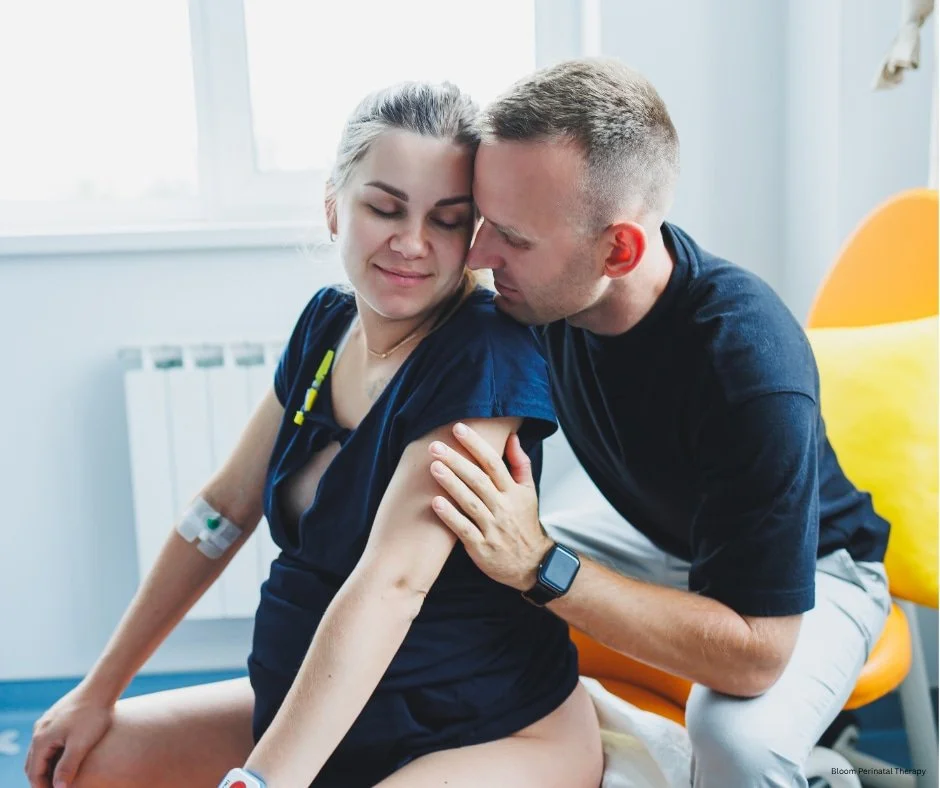
Birth Doula Support
Featuring a conversation with birth and postpartum doula Sarah Zepeda
Considering a Doula? You're Not Alone.
If you've been pregnant recently, you've probably heard the term doula. But many moms still wonder:
What exactly does a doula do?
Is a doula only for unmedicated births?
Can a doula help if I'm having a C-section?
What about after the baby is born?
In a recent episode of Bloom Motherhood Conversations, I sat down with birth and postpartum doula Sarah Zepeda, a birth and postpartum doula serving St. Louis and the greater surrounding areas, to discuss common misconceptions about doulas and why support during pregnancy, birth, and postpartum can make such a meaningful difference.
📺 Watch the full conversation below:
Sarah is a birth and postpartum doula dedicated to helping families feel supported, informed, and empowered throughout pregnancy, birth, and the postpartum transition. Contact information can be found at the end of this article.
What is a Birth Doula?
One of the biggest misconceptions Sarah hears is that doulas replace medical providers.
They don't.
A birth doula provides non-medical emotional, physical, and informational support throughout pregnancy and labor. They work alongside OBs, midwives, nurses, and hospital staff—not against them.
A doula's role may include:
Emotional support during labor
Comfort measures and positioning suggestions
Helping explain what's happening during labor
Supporting communication between families and medical providers
Helping partners feel more confident and involved
As Sarah shared:
"Every person deserves steady, unbiased support during birth, regardless of how they choose to give birth."
Can a Doula Help During a C-Section?
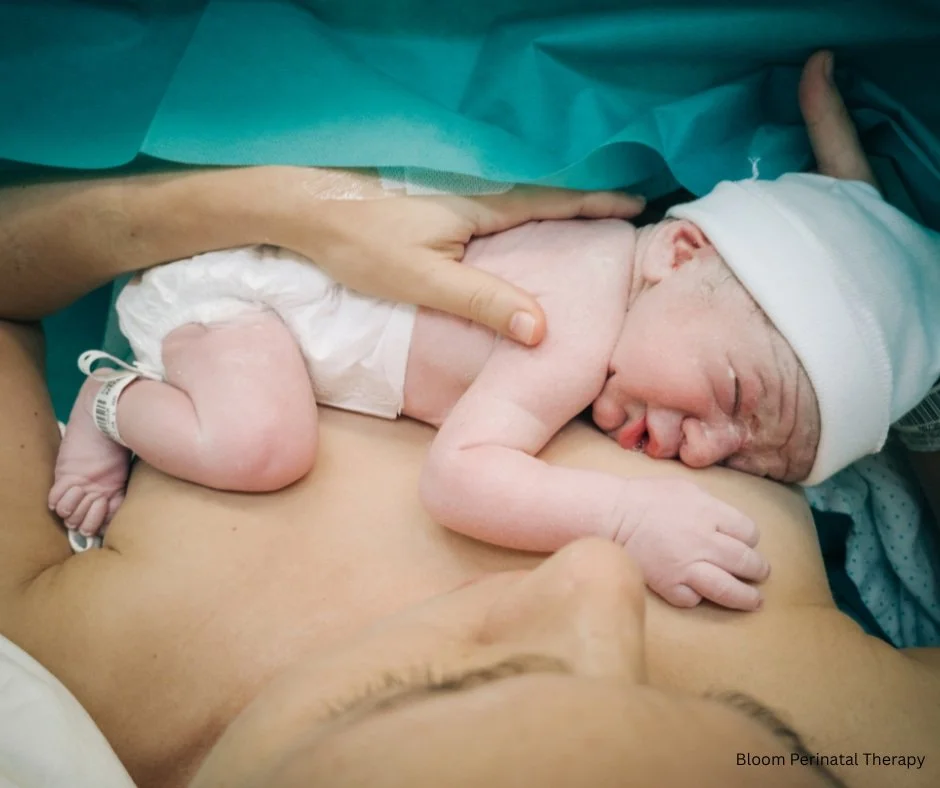
Doula support during a planned or unplanned C-section.
Absolutely.
Many people assume doulas are only helpful for vaginal births, but Sarah emphasized that doulas can provide tremendous support before, during, and after a cesarean birth.
This support may include:
Preparing emotionally for surgery
Helping reduce fear and anxiety beforehand
Supporting partners during the procedure
Explaining what's happening in real time
Helping families process and debrief the experience afterward
For many mothers, having a calm, familiar support person present can help them feel less alone during an unexpected or planned C-section.
Why Postpartum Support Matters So Much
One of the most powerful parts of our conversation focused on postpartum care.
As Sarah explained:
"Everyone is focused on the baby, but nobody is mothering the mother."
After birth, moms are recovering physically, emotionally, and mentally while also learning to care for a newborn.
Yet many women find themselves feeling isolated after the initial excitement fades.
A postpartum doula provides support such as:
Emotional check-ins
Meal preparation
Practical household help
Breastfeeding support and resources
Newborn education
Guidance through the transition to motherhood
The goal isn't perfection.
The goal is helping moms feel supported, seen, and cared for.
Supporting the Whole Family
Many partners want to help, but aren't always sure how.
Sarah described doulas as guides who help partners feel more confident throughout pregnancy and birth.
A doula can:
Teach comfort measures
Explain stages of labor
Help partners understand what's normal
Offer reassurance during stressful moments
Encourage meaningful involvement during birth
Rather than replacing a partner, doulas often help partners feel more prepared and connected.
Doulas and Birth Trauma Recovery
For moms who have experienced a difficult or traumatic birth, the thought of giving birth again can bring significant anxiety.
One of the benefits of doula support is having someone who understands your previous experience and can help create a sense of safety moving forward.
Whether through planning conversations, emotional support, education, or advocacy, doulas can help families feel more informed and empowered during future pregnancies and births.
You Deserve Support
Pregnancy, birth, and postpartum are some of the most transformative experiences a person can go through.
You don't have to navigate them alone.
Whether you're considering hiring a doula, preparing for birth after a difficult experience, or struggling emotionally during postpartum, support is available.
About Sarah Zepeda
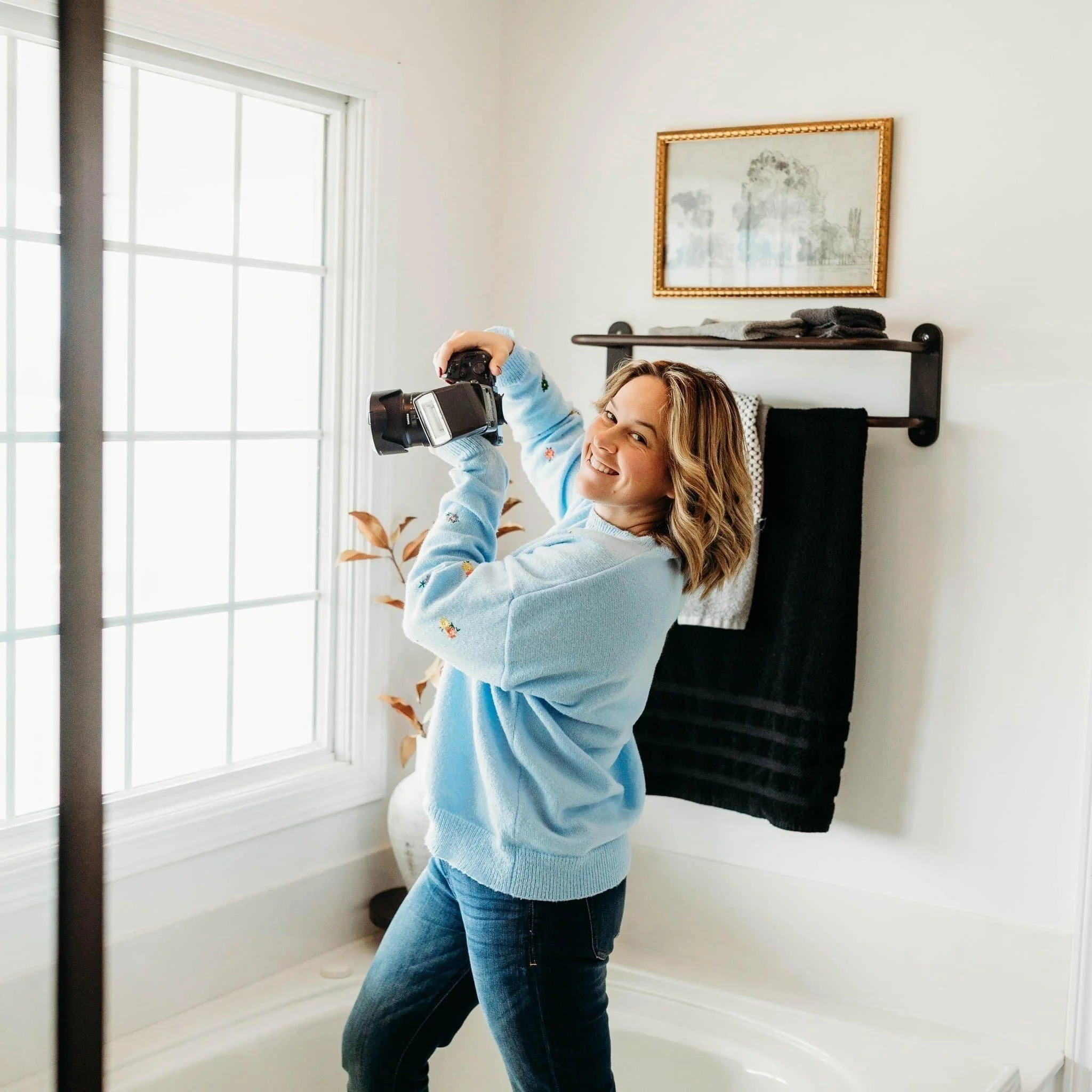
Sarah Zepeda St. Louis Doula
Sarah Zepeda is a birth and postpartum doula serving St. Louis and the greater surrounding areas. She provides compassionate, non-medical support for families throughout pregnancy, birth, and the postpartum transition, helping parents feel informed, empowered, and supported every step of the way.
To learn more about Sarah's doula services, contact her at:
Phone: 314-602-7405
Email: Zepedasarah916@gmail.com
At Bloom Perinatal Therapy, I support women navigating:
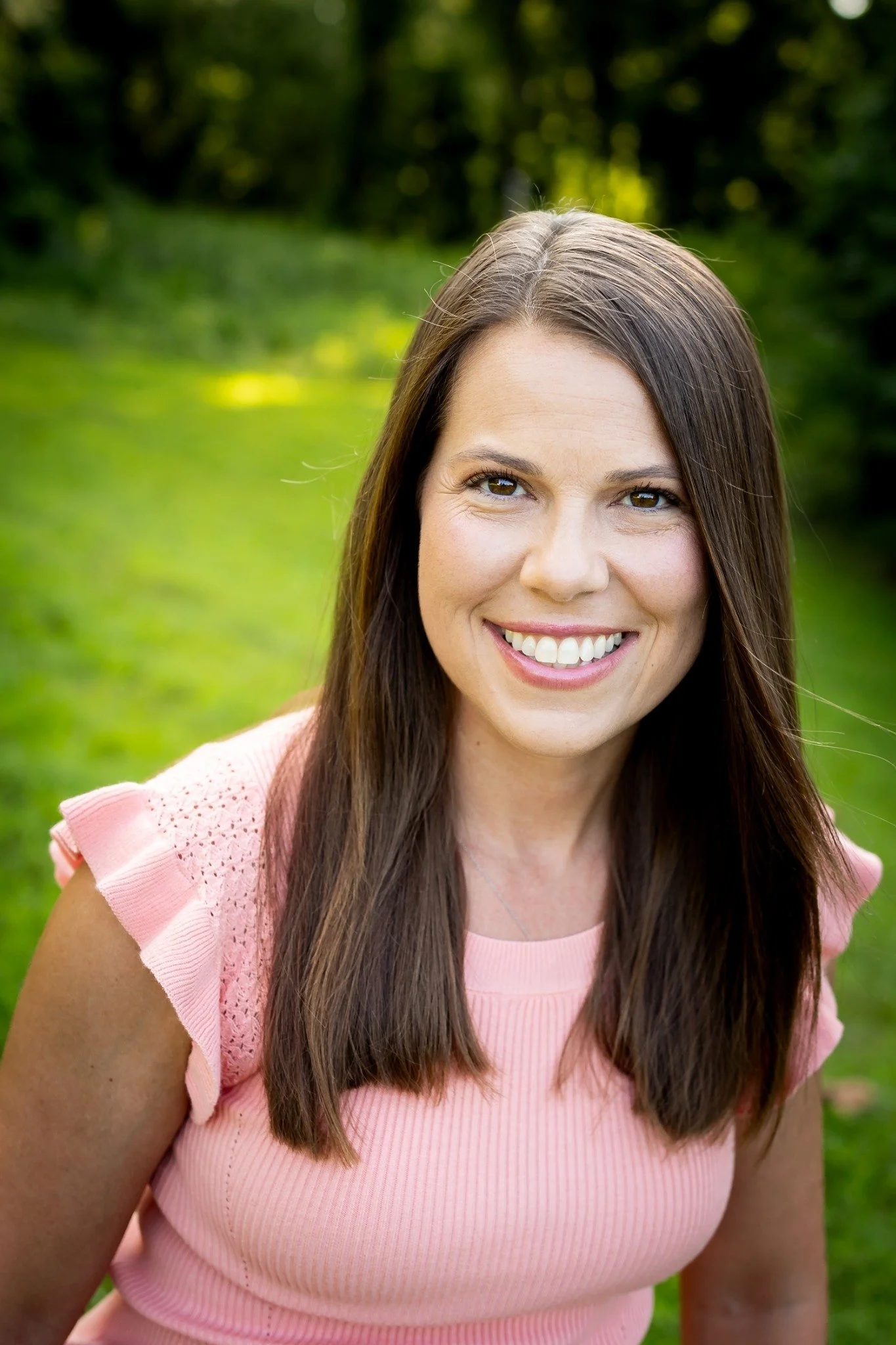
Andrea Crafton with Bloom Perinatal Therapy, providing pregnancy and postpartum support.
If you're a mom in Florida or Missouri looking for emotional therapeutic support during pregnancy, postpartum, or your fertility journey schedule a consultation today.
https://www.bloomtherapist.com/schedule-consultation-form
Watch the Full Motherhood Conversations Episode
Podcast Transcript
The following transcript has been lightly edited for readability.
Okay, so we obviously had some technical difficulties this morning trying to go live on Facebook with Sarah, but we're here now, and I'm so excited to have her here as a guest with Bloom Perinatal Therapy, and learn a little bit more about what a postpartum and birth doula, like what do they do, and this is a question that I get a lot from even my own therapy clients, is trying to figure out, do I need a doula, what do they do, and oh my gosh, I had no idea that a postpartum doula was even an option, so after you know this is recorded and we post it. I want you, you know, any of you that have questions, to comment your questions down below, and we will definitely get those questions answered, and hopefully we'll get this technology technology issues out of the way. So, Sarah, I'm going to give you a chance to go ahead and introduce yourself, and anything that you think is important for us to know before we actually get started.
Yeah, I mean, just thank you for having me as your first guest. Like, I'm so honored that you know you would want to have me on to talk birth stuff, which is my absolute favorite talk topic. I know you said we only have 40 minutes, and I was like, oh no, how am I gonna fit everything I want to say in 40 minutes, because you know when you talk about it, you just start going off the rails. But yeah, I'm just.. I'm just excited to be here. Actually, I'm sitting in my friend's room in New Mexico, where she actually had two of her babies, and her birth affirmations are hanging up on the wall, so I felt like that was very fitting, fitting area to do this podcast.
Definitely the perfect space for sure. So I know there's a lot of misconceptions, or I've heard a lot of misconceptions about exactly what a birth doula does and what they do not do, so I know that I had some questions written down that I thought, I mean, that I hear a lot, but just I think it would clear the air in terms of exactly what is a doula and what do they do. So one of those questions is actually, what is the biggest misconception you hear about what a doula does, or
is okay. That's a great question. We, a lot of times, we hear that we get lumped in with the medical side of it, and while we do know medical stuff, we are a non-medical support person to be there through your pregnancy and your birth, so a big misconception is that we, we replace your midwife or your OB, or we're your only care provider, which is not the case. We work alongside your care provider with your midwife and your OB, or whoever is going to be at your birth, we work alongside them and you to make sure that you get the birth that you desire and that you're educated on the things that are happening, and then another misconception about doulas is that we only support like physiological birth or someone that doesn't want an epidural, someone that wants to go quote unquote natural, and that could not be farther from the truth. We I believe that every person, no matter how you want to have your baby, needs solid, steady support, unbiased, to be there for you emotionally, physically, just that steady presence in the room to keep you grounded,
most definitely. And you know, and I, and I get this question a lot, especially moms who have had a traumatic birth, and they're kind of on the fence, or they've even had a previous C-section, and so one of the questions is, How can a doula help me in the birth room if I do have a C-section, or I decide to have a C-section again,
I With will we still help them through their pregnancy with nutrition pain management in their pregnancy, just talking about all the things they can do leading up to their C-section. We like to do, you know, I like to talk, I like to talk with moms and like help release any fears they might have going into that space or talk with their partners on how they can be there for them emotionally, because whether you have a C-section or a vaginal birth, like you, it's a big emotional time. Time, and so I think people forget that that's a big part of it as well. So, being just being there with them the morning of, like, if I like supporting a mom in a C-section, like, I'll go before she gets prepped, snap pictures of her and her partner before they get wheeled back, just kind of have them be together, you know, and encourage them to those final moments together, and then sometimes we're not allowed to go back, but if we are, then you know, I'll go back there to be that support, that reassurance. Hey, it's okay, they're doing this now, everything's fine. Baby looks good, you know, especially whether it's first, second, whatever, C-section partner might not know what's going on. And so, me having the background that I have, I'm able to reassure, okay, they're doing this now, and this looks good, and they're doing this with the baby, and now they're doing this with mom, and it looks good, and everything is going to be okay. And because doctors and nurses, they're very busy people, and they are fluid in what they do, they know what they're doing, and they don't always like verbalize that. And so sometimes that can leave parents in the dark. So what I like to do is kind of verbalize exactly what the medical team is doing to provide that reassurance for mom and partner that everything's, you know, looking okay, or hey, they might need to do this, we'll get through it, you know, and then also to kind of talk about things afterwards, to be to kind of debrief and go over like what happened and why it happened, and and talk about
it. Yeah, because I think that's a really good point. A lot of times what I hear from the moms that I work with, who had a C-section, or even a baby that has to be whisked away, you know, to the NICU, like something that's really unexpected. Is I felt so lonely, you know, nobody was really there to kind of check in on me, because everybody, you know, either my spouse or significant other,
the
baby, and so here I am, and all I could ask, basically, is what do you want for dinner, or are you hungry, you know that sort of thing, and I think that's an important point. Is it's so important to check in with Mom emotionally for what she's went through, and debrief and talk about that experience that she just had.
100% I had a mom that that happened to, first time mom, labored beautifully, you know. Things got a little tricky at the end in the pushing stage. Baby needed a little bit of help. Baby was eventually taken in the NICU, and Dad followed Baby, and Mom was just sitting there. And so, you know, I even, I sat on the bed with her, and I, I, you know, I grabbed her phone charger, so she could charge her phone, and you know, I just, I just sat with her, and I just asked, you know, how are you doing? Do you have any questions about what just happened, or what's going to happen? Yeah, I just, I just asked her how she was feeling, and we sat and talked, and that was something she said she was like really thankful for after the fact, because she didn't realize how disconnected she would feel not having her baby in the room with her, or those those emotions that come up that you just can't prepare for.
Definitely, so I mean, I think that was a great way, I mean, to answer that question. I mean, I think you hit on so many important aspects, for sure. The other question is, why is why is a postpartum doula? Why are they so important and crucial, maybe even more so than a birth support, or just as important as a birth doula?
I was gonna say it's as important, if not more, and kind of for the reasons that I just talked about, so mom is sitting there, everyone's concerned about baby, and no one's mothering the mother, and so, like, as a doula, woman to woman support, like, yes, I love their, like, I love babies, and that is a big reason I got into this work, but I'm there to mother the mother to be there for her, and so that is tech, like so postpartum support can range from a couple hours after birth to months after birth, and I think it's just so birth support is important, but that's one day your postpartum forever, and those first few days, moments, those first few moments of your postpartum journey are kind of going to set the tone for your motherhood. I know that sounds dramatic, but um. The support you experience in your first birth, it sets the tone for your whole motherhood, and I'm super passionate about it, because not having that support can lead to more problems later on, and I don't know, I just.. I think that it's even more important to have postpartum support, whether it's getting information for your partner on how to support you postpartum, or having someone step in, like a postpartum doula that will, that knows to bring the nourishing meals, that knows to step in and help where it's needed. I think some even talking to family members. I worked at a birthing center, and we would write a letter to families, you know, if mom didn't want to be the bad guy, and we would write a letter, and we would say, you know, when you come over, don't plan on holding the baby, first you need to wash the dishes and do the laundry, ask mom how she's feeling, bring a meal, you know, so that we could set them up for success when they are the active, like postpartum, you know, caregivers, so that way they're not just holding baby while mom, you know, is five days postpartum hunched over the sink, washing her dishes, while she's still in a diaper. You know what I mean.
Absolutely, I mean, I love the fact, or the idea of writing that letter, because one of the things that I work with postpartum moms a lot, or I see, is how do I communicate my wants and needs and my boundaries now with even if that's with my partner or family members. How do I express and how do I not feel bad about being assertive and telling others what my needs are? And so,
yeah,
love that. I love the fact that you know you're already setting sort of that up before baby even kind of arrives, is okay. These are the expectations, and these are the things that mom really needs, because again, so many have this thought, or or what we imagine postpartum to be, right? And so many times that's not,
yep,
what our postpartum story looks like, and no fault to mom, necessarily, or those around her. It's just because they just don't know.
Yeah, you, you've never experienced this before, and that's what I tell moms all the time. Like, I'm like, you're allowed to change your mind, so maybe, maybe you thought you wanted visitors two weeks, and then bears, and now you do, and you know, just I don't know. Well, the biggest thing that I learned when I started my journey is that mom is the star of the show, like whatever mom wants, that's what we do, you know what I mean. So, like, you have to remove yourself, like if you're a, if you're a support person, it's not about you, it's about what mom wants and needs in those moments, you know, and not projecting like a bad experience that you might have had onto them in those moments.
Absolutely, and you know, I think we also forget, like, the postpartum period, especially for a mom who's trying to breastfeed and establish milk supply and all those things too is the importance of well, even even if a mom chooses not to breastfeed, it's just that bonding time and connection with her baby, and sometimes you know that's not really given to mom because of all the visitors and the busyness of life, and it's important to kind of have that moment with baby, for sure. So I love that. Yeah, other people, you know, should definitely be doing the dishes, and do your sheets need to be washed? Does the laundry need to be done? You know, have you had a meal today? Have you had plenty, plenty of snacks? You know, all these things, because Mom is the one that's healing, not only physically but also emotionally, from what her experience has been bringing this baby into the world, so
right,
and
so that is what, oh, sorry, that is why a postpartum doula is so important, because we've not only, like, experienced it ourselves, but we've sat with hundreds of women postpartum, and so, like, your mom or your grandma, they just might not know how to show up emotionally, and a lot of times what happens is they're there for the first week or two weeks, and then mom is just kind of like, oh, what. But now you know no one's checking in on me anymore, and so that's why a postpartum doula is so important, as like can be very helpful, because when that, when the dust settles and you're left feeling like okay, and now what do I do when you have all these questions,
yeah, like gone down to work too, but you know, he's had some time off, and so by two weeks, usually work too, and then here I am, I'm all alone, and I have this baby to take care of, and nobody's checking in on me,
yep, and so the postpartum doulas, we know you know, we come in, we bring a meal, we will sit with you. It's like, how are you know, we want to know, how are you doing? How do you feel, really like not the show for what you're putting on for everybody else, but like truly, how is this for you? And just like I said, experiencing it, you're myself, and just being able to have those candid conversations and talk about what's normal, and, and how they're not alone, you know, what you're feeling, you're not alone, a lot of us have been there, and you know we have the our connections through social media now, but moms are more alone than ever, and I don't, I don't know why, and I don't have the answer for that, but I think women sitting with women and just having those conversations is so important.
Yes, a lot of validation, you know, and I work with moms a lot, saying, you know, what you see on bringing up social media, what you see on social media is that's just like a short portion of that mom's, that's just a snippet of her day, that doesn't mean that when she's often TikTok or that post on Facebook, that she's not struggling in some way, you know, we're not sitting a lot of times on social media and talking about exactly what we're struggling with and what's hard, because again we look around and we're like, oh, she's got it all together, and my post part, like this baby is here, and this is what I wanted, it's supposed to be butterflies and rainbows and all these different things, and when it doesn't feel that way, then it internalizes to, oh, something's wrong with me. Why am I feeling?
And then the mom don't kick them. Yep,
so again, I mean, it's a topic I think that we could spend hours and hours on, and I mean, there's, there's so many layers to it, for sure, but I think if that's a good, like, broad overview, for sure, about how a postpartum doula can help, and the work that you do, for sure. I know another thing, another question that I ask is, well, how do doulas help support my partner or spouse in the birthing room? Like, how can they help them, and I don't really know if I want someone else there on top of my spouse or my partner.
Yeah, and, and that's okay. Um, but we can at least walk you through your pregnancy, like you can get a doula and they can walk you through your pregnancy, and we can talk to dad, like I love teaching dads. I love seeing dad or partners. I love seeing them grow through the pregnancy and the birth space, even if I'm with a family for a short time, like if I'm just at the birth and I tell them, hey, come over here, let me show you, like, how to do hip squeezes. This is what she needs in this moment, or, like, quietly. Just, why don't you go? Why don't you go hold her hand here? Why don't you sway? Because I love having the involvement of the partner. I think it's so important. I'm there as a mediator, I guess. I can read the room, and I can read mom, and I know what's going on with her. Dad doesn't have that experience. This might be his first time stepping into a birth space. And men are fixers, they want to fix your pain. They don't know how to sit with you in pain, where women know how to sit with each other in those hard moments. That's what I do, like I sit with you in your hard moments, and I let you know it's all going to be okay. Partners over there in the corner, kind of freaking out, but in pregnancy, like through the pregnancy, I love talking with Dad. I love me. This is what's going to happen. These are the stages of labor. Nothing, it's not an emergency when she starts having contractions, when she can't talk through them. Call me, we'll, we'll, we'll get through it, you know. And at the end, we're going to have a baby, and it's going to be great. Um. Um, just to keep them grounded, to keep them calm in those moments, because keeping partner calm is going to keep mom calm, and, and then, yeah, it's just amazing. It's amazing to see the growth through the whole process, and just seeing them like dads, especially because if it's a man, men are just, you know, they're fixers, they want to make it go away, and they learn so much about how to support their partner, not just in the birth space, but just like outside of the birth space as well, and I just think it's a totally transformative time, and that is also why I like when it's just mom and dad in the room, and I know when to.. I don't have to be there all the time, like I can step out and give you your space. You want me to step out when the baby's born? I can.. what.. it's whatever you want, it's your birth, it's your day, you know. I'm just there to facilitate, help make it a good experience, a better experience.
Yeah, and again, I think you answered that beautifully. Just how you can give the tools and the emotional support that that particular couple, or that mom, or spouse, dad, significant other, whoever that is, that it can be very tailored to what your needs are. It doesn't, it's not just, you know, so black and white, if that makes sense, in terms of what that particular, what they're needing in that birthing space, because it's different for everyone, and so I love the fact that, you know, they can communicate those needs and wants to you, and you know, and you can change, or you know, be that person that they need work. So the other question, I'm sorry. Go ahead, Sarah.
Oh, I was just saying that we're like, I'm fluent, I'm.. I don't step in the room to take charge, you know, as a doula, and most doulas don't - they're not there to step in and, and be in charge, they're just there to, to help, basically. Like, it's a helpers, that's what our job is, like, we just want to be helpers, and the other thing that you can help partners with as a doula, is when things go awry, and, like I said, they're not the doctors and nurses, aren't necessarily communicating or asking, and partner again, is you know, they're kind of froze up, and so it can reassure them this is what's going on, this is what it's going to be. Okay, they're taking baby to the warmer. They just need to do a little suction, and they're, you know, I let them know, like, hey, you can go over there, like you can go over there and watch what they're doing. You can take photos. I'll stand with mom, you know, because sometimes even, like, sometimes your instincts just don't kick in, you know? Like, as a new parent, and you can, I do this, can I do this, and it's like, yeah, it's your baby, you know, you go ahead, do it, you know, and so I think having that, like, someone there to be like, yeah, it's your baby, do whatever you want, you know, no one's telling you what to do, kind of thing helps them kind of, oh, right, I am, I'm, I'm the adult here,
yeah. Because, again, it's, it's a, this is all new, you know. You're not supposed to know how to do everything, and so sometimes you do just see that reassurance, and I guess seeking out again that support, however that may look, because this is all new. You've never been a dad or a mom before, you've never had a baby, or maybe this is a totally different birth experience than what you had the first time around, and so
I
love that. Just being able to advocate and saying it's okay, or you know, you can do these things, and so again, just being informed or helping to give them and provide that information is great.
Yeah, it's, it's like I said, it's totally transformative. I had a mom, it was her third baby, and it was her first time not having an epidural, so when things got primal at the end, like they do with a lot of sounds and things you know, Dad was like, "Oh my gosh, and I'm like, "Yep, it's normal, and he's like, "Oh my, I'm like, "Yeah, those sounds are good, like everything that's happening is good. She's gonna have her baby soon, you know, and he was just like, "What, you know, in total, total off? You know, it's pretty cool,
I guess the last question that we can kind of touch on is, how do you balance helping moms advocate for themselves, but still work alongside the doctors, midwives, nurses, you know, who, whoever else is kind of in that professional role in the medical side of things,
so I. I, this goes back to, like, the misconception thing, too. I think that people think it's doula versus doula versus medical staff, and in for me, absolutely not. The medical staff, the midwives, they have their place, and I have mine. I'm there as non-medical sport, I'm there for mom, what does she need? Does she need a drink of water? Does she need a warm blanket, helping with hip squeezes, holding the combs? Whereas nurses, they, they have patients that they're tending to, and they can't always be in there to be that constant support, whereas I'm hired to be the constant support, and so I like to work with nurses and OBS, and if mom's in a state where you know I like to ask, did she give you her birth plan? Like, do you want to talk about it? This is what she would like, or I have mom, I try to have mom advocate for herself, you know. If they come in and ask questions, I want her to, I want her to stand up for herself and say, well, this is what I would like, you know. I want the cordless monitor, so that I can get up and walk around and do all of the things. I'd like to be able to get into the shower, so I like working with medical staff, not it's not us versus them, it's we're we're all working together for mom and baby, and that is our goal. So my goal is I want mom to have the birth that she desires to have, and if that's not the case, I'm there to reassure her that it's still going to be okay. And then medical has their place to, when emergent things happen, they know the best route to go for her.
Yeah, and I think that's a good, you know, I've even heard the misconception of, oh, I thought doulas were sort of like a midwife, and you know, even that misconception, and it's usually from again someone who's not well versed in birth, which is completely fine, or just someone out in the public who really doesn't understand, again, it's that misconception of what doulas actually are there for and what they provide,
right,
I've noticed with some of you know my mom's who might have had a birth that was traumatic or something happened that was unexpected, and when I talk to them, you know, either they're they're thinking about getting pregnant or they are pregnant and they want a totally different.. and I just got a thing that we're going to run out of time, so we'll make it quick, so we have nine minutes remaining, so we got plenty of time.
I was gonna say, should we do a second,
but their thing is, How could a how could a doula have helped me the first time around, and how can they help me so that I can get the birth that I desire the second time around, and a lot of times you know that might look like, okay, well, when we go back to your first birth and you talk about it, we kind of put the puzzle pieces together, you know, were there things that a doula could have helped you with, like you even said, like, okay, are we do we need to change positions to get baby in a more optimal position. Um, you know, do you need quiet time without the doctors or the nurses in the room to talk? Do you want me to be included in that conversation with you and your husband to kind of decide and have that more informed choice of what you feel like is best moving forward with birth, if that you know, so I really talk to them about, you know, how a doula can be helpful, and also in the sense that if I've been through something traumatic and it was really hard for me, and then the second time around I can have that support system or that support person in place that I feel safe with, that's going to help me to have a more safer environment for something that I feared or had a really difficult time with, and caused me a lot of panic that looks and feels a lot different than if I'm just trying to do this alone again,
100% and that is one of my biggest reasons for doing what I do. Like, my why I'm so passionate about it is because no matter how many babies you have, whether it's your first or your 10th, and no matter how it plays out, you will never forget the day you had your baby. You will never forget how people made you, the you will never forget how the people around you made you feel. You will never forget like the sights and the smells and the sounds, and you will, you just, you will never forget it. And so having. Someone there that can ease that, like you said, trauma, or you know, because I feel I hate when, when women look back and they are not, they didn't have a good experience, you know, and it's no, no fault of theirs at all, but they just might not have had a grounding person in there, or someone to, you know, what I mean, because, like, you said, you can have a traumatic experience, but how someone makes you feel afterwards, or during, is going to change the whole outcome, and how you look at it. So I'm really passionate about that piece of it, because I just feel like it's the most important day of your life every time you have a baby. I talked with one Mother's Day, I went from the oldest woman in my family down to me, I asked everybody about the day they gave birth, and my 80 year old grandma could remember, you know, everything that happened that day, and she remembered, you know, sights and sounds and smells, and what my grandpa did to make her mad, and you know, so it's just, it's, it's important that you have someone there that makes you feel okay,
