
7 Signs of Birth Trauma After Childbirth and When to Seek Support
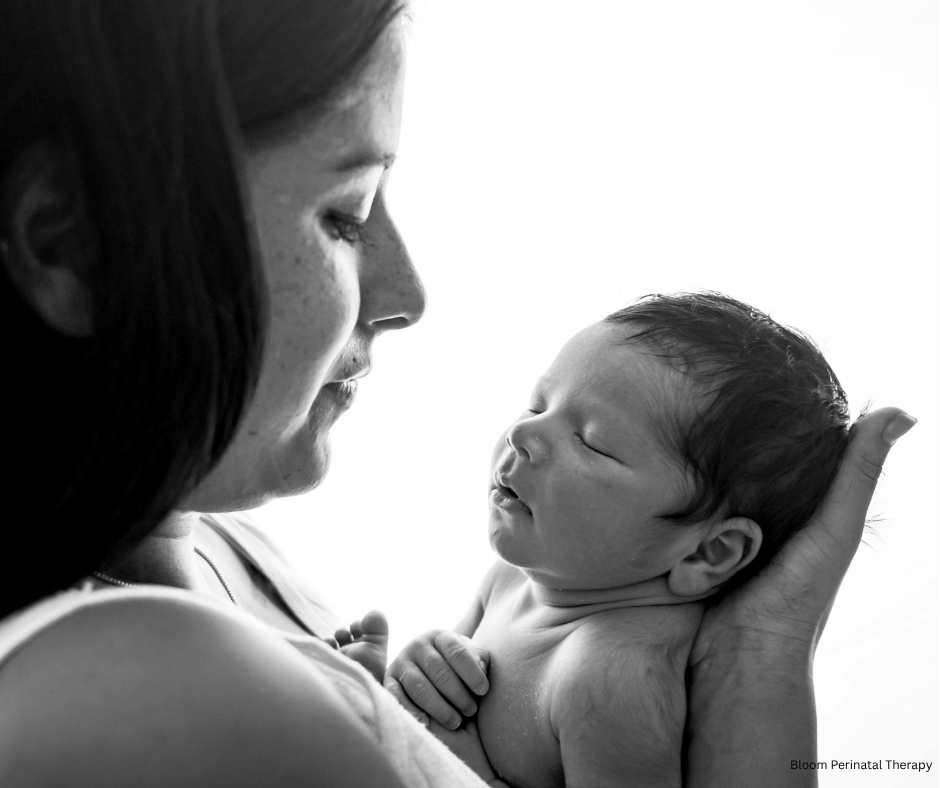
Mother holding newborn while reflecting on difficult birth experience
Many women expect to feel relief and joy after giving birth. However, for some mothers, a difficult or distressing birth experience can leave emotional wounds that continue long after delivery.
Birth trauma is more common than many people realize. While every woman's experience is unique, recognizing the signs can be the first step toward healing. It is estimated 30-45% of moms found their births to be mentally and or physically traumatic. One way to help a mom who has experienced birth trauma is to learn how to support her postpartum. Here is a blog post that will help to learn how to “Mother the Mother.”
What Is Birth Trauma?
Birth trauma can occur when a mother feels frightened, powerless, unsupported, unheard, things feel out of control, or believes her or her baby's safety was at risk during labor and delivery.
Others tell moms, “A healthy baby is all that matters.” Moms may also say to themselves, “My baby is healthy so I shouldn’t feel this way.”
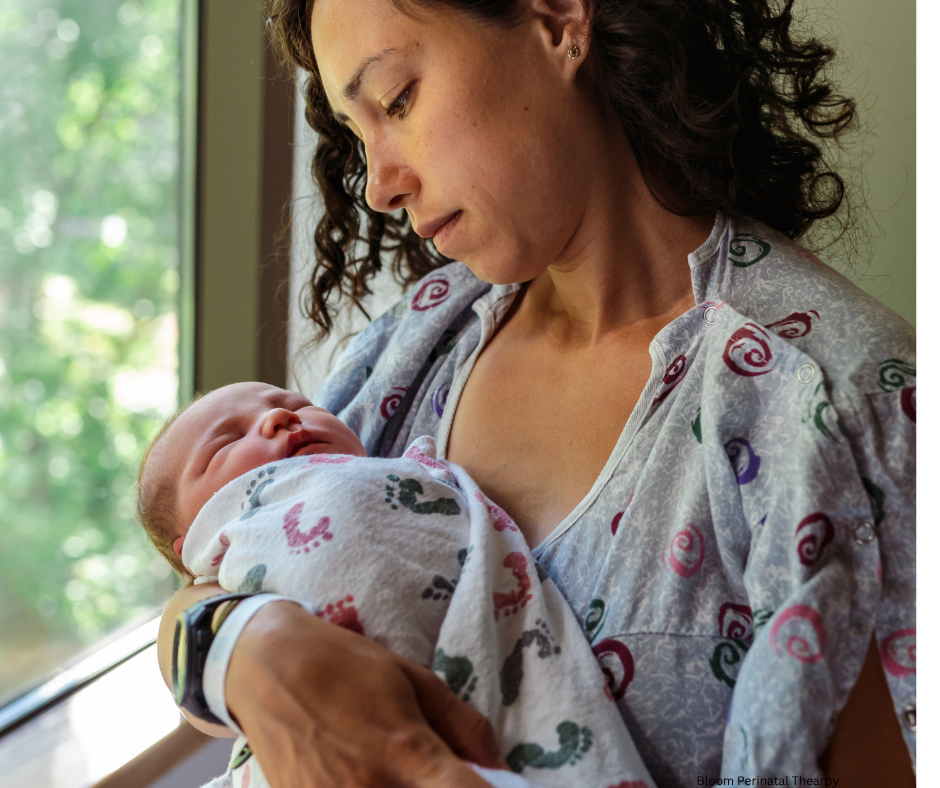
Even if my baby is healthy, I can still be struggling.
1. You Constantly Replay Your Birth Experience
Think about it daily
Replay conversations
Wondering what you could have done differently
Difficulty moving on
2. You Feel Intense Sadness, Anger, or Grief About Your Birth
Mourning the birth experience you hoped for and envisioned
Feeling robbed of important moments
Anger toward providers, partners, or yourself
3. Certain Reminders Trigger Strong Emotions
Hospital commercials
Birth stories
Medical appointments
Social media birth announcements
Sounds or smells
4. You Avoid Talking About Your Birth
Change the subject
Avoid birth-related conversations
Feel emotional when asked about delivery
5. You Feel Anxious About Future Pregnancies or Births
Fear of becoming pregnant again
Worry about future deliveries
Feeling panic when thinking about another birth
6. You Struggle With Feelings of Guilt or Self-Blame
I should have spoken up.
I failed.
My body failed me.
I made the wrong decision.
7. You Feel Disconnected From Yourself, Your Baby, or Your Confidence as a Mother
Difficulty trusting yourself
Feeling emotionally numb
Loss of confidence
Question if you are a good mom
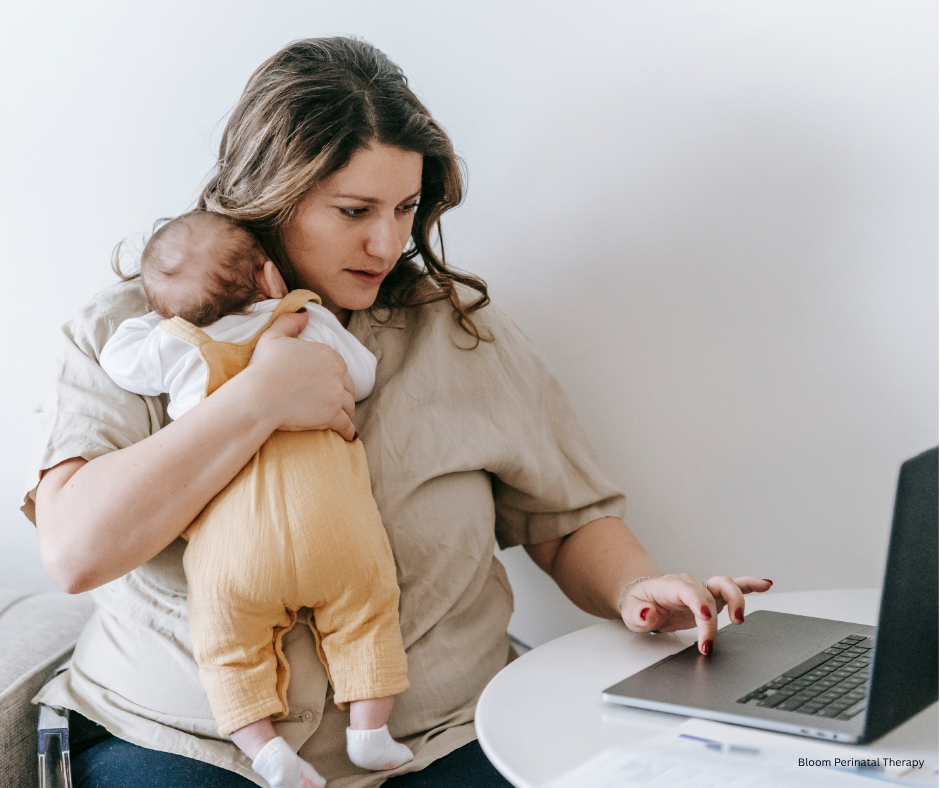
Online birth trauma therapy support for postpartum mothers
When to Seek Support
You don't need to wait until symptoms become severe.
Seek support if:
The birth experience continues to affect daily life
Symptoms aren't improving
You're struggling emotionally
You feel stuck
You think you want another baby, but you are holding back because of your previous birth
How Birth Trauma Therapy Can Help
Processing the experience
Reducing guilt and self-blame
Understanding trauma responses
Rebuilding confidence
If you're struggling after a difficult birth experience, you don't have to navigate it alone. Birth trauma therapy offers a space where your story can be heard without judgment and your feelings validated. Together, we can process what happened, address feelings of guilt, anger, grief, or self-blame, understand how trauma may be affecting your thoughts and emotions, and help you reconnect with your strengths as a mother. With support, many women find they can move from simply surviving their birth experience to finding healing and confidence again.

Andrea Crafton, LPC, PMH-C
Bloom Perinatal Therapy
Healing After a Difficult Birth Is Possible
If you're struggling to move forward after a difficult or traumatic birth experience, you don't have to navigate it alone.
Bloom Perinatal Therapy provides online birth trauma therapy for moms in Missouri and Florida.
