
Why Does Birth Trauma Happen? Common Causes of Birth Trauma

Mother reflecting on her birth experience after childbirth
When moms hear the term "birth trauma," they often assume it only happens during a medical emergency or life-threatening situation. Normally childbirth is not associated with being traumatic.
The reality is that birth trauma can occur for many different reasons and experiences. Complications during labor and delivery can be the cause of birth trauma, however, for many they felt unheard, unsupported, threatened, frightened, or powerless during their birth experience and these lead to the trauma.
Understanding the causes of birth trauma can help mothers make sense of their experiences and recognize that their feelings are valid.
It is estimated 30-45% of women report experiencing feeling traumatized during their birth experience.
What Is Birth Trauma?
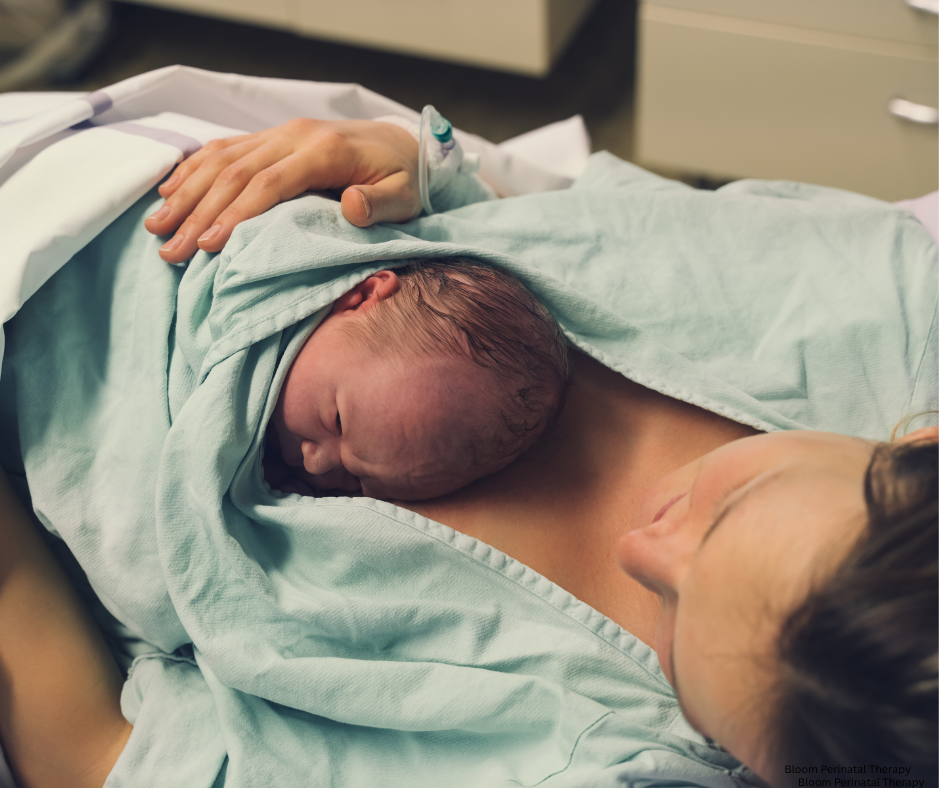
Mother after experiencing emotional distress during birth.
Birth trauma refers to the emotional and psychological distress that can occur during or after pregnancy, labor, delivery, or the immediate postpartum period. How do you know if you have experienced birth trauma? Read more about the signs of birth trauma here.
A birthing mother is vulnerable because she is hyper-aware of the energy, words, and actions of everyone in the room. Her nervous system is wide open, constantly scanning for safety. When that vulnerability is met with compassion, respect, and protection, it paves the way for an empowering birth. However, when that openness is met with coldness, dismissiveness, or sudden crisis, the psychological impact is profound. The same vulnerability that allows for a beautiful transformation also leaves a mother deeply susceptible to lasting psychological injury if her safety is compromised.
1. Feeling Unheard or Dismissed During Labor
When mothers feel like their care team is ignoring their concerns or brushing off their questions, it creates an atmosphere of fear and isolation. Not understanding what is happening in your own body, or what procedures are suddenly being performed, strips away your sense of safety and bodily autonomy.
Concerns ignored: Voicing pain or distress about a sudden shift in labor, only to be told that your feelings are "normal" or that you should be "coping better."
Questions not answered: Having a cascade of medical interventions thrown at you without a clear, respectful explanation of why they are necessary.
Feeling pressured and threatened into decisions: Being rushed into a decision without being given the time or evidence based information to provide true informed consent.
Not understanding what was happening: Being left in the dark as medical staff talk around you rather than to you.
A doula can be a great resource to actually help navigate the birthing space when a shift happens and to help mom re-focus and feel heard. Want to know more about how a doula can help navigate unexpected birth outcomes? Read here
2. Unexpected Changes to the Birth Plan
When a birthing mom feels like the medical staff is making decisions for her and feels left out of the decision-making process this can feel terrifying. A mother who understands why a change is happening can process it without it feeling threatening and feel more in control of the decisions being made. A mom who feels blindsided no longer feels competent or in control of what is happening.
Induction when not expected: Being you MUST go straight to the hospital to be induced. What if this mom wanted a low intervention/natural birth? Again, is evidence-based information being given to mom? Many moms are induced without a true medical reason.
Unplanned cesarean birth: Has mom been able to make a true informed choice? Was mom given a valid reason for a cesarean? How was this change communicated to mom?
Assisted delivery: The sudden use of the vacuum extraction or forceps to pull the baby out, which can feel highly invasive and frightening.
Changes in pain management: If the goal was to have an unmedicated birth but mom felt forced to get an epidural, or if mom wanted an epidural and it failed or could not be given in time.
When medical professionals use compassionate communication, explain options clearly, ask for permission before changing the plan, and acknowledge the mother's disappointment can preserve her psychological safety.
3. Feeling a Loss of Control
Many mothers who suffer from birth trauma report that the tipping point was not the physical pain itself, but an agonizing, total loss of control over their own body and environment.
Birth moving quickly: Births that happen very fast are often labeled as "lucky" by outsiders. In reality, an ultra-fast birth can feel sometimes scary to the birthing mom. The physical intensity peaks so rapidly that the mind cannot keep up, leading to a state of shock or severe dissociation.
Medical decisions being made rapidly: When decisions happen around a mother rather than with her, she is stripped of her autonomy and decision making when she is vulnerable.
Feeling like events are happening "to" you: Mom becomes a patient to an event that has become medical. This shift transforms her from an active, empowered birthing woman into a passive bystander watching her own body be managed by a room full of strangers.
This leaves many mothers describing feeling entirely powerless. When mom feels threatened and is not able to escape the threat the body protects itself by being in a “frozen” type state. Mom now feels unsafe.
4. Medical Complications During Labor or Delivery
During a birthing medical crisis, the speed and rate of acute changes can cause panic. The panic now causes life to feel threatened and no longer a sense of safety.
Some examples of birthing medical emergencies include:
Emergency cesarean
Hemorrhage
NICU admission
Shoulder dystocia
Severe tearing
The fear these experiences can cause are not easily forgettable. A healthy baby does not take away the panic and fear mom experienced to bring baby earthside.
5. Lack of Emotional Support
Birth is a psychological journey and physical one. When a mom feels safe, seen, and nurtured, their body produces higher levels of oxytocin which helps to propel the labor process and the body can relax.
Feeling alone
Lack of support from partner
Poor communication
Feeling isolated
Doulas bridge the gap by offering support. They can ensure that even if the birth plan completely shifts, the mother never feels invisible or abandoned. How can a doula support a birthing mom?
6. Previous Trauma
Birthing moms who have a trauma history may be easily triggered by vaginal exams, being hooked up to monitors, confined to laying down in a bed, or even being in the hospital can feel threatening.
Medical Truama
Sexual trauma
Previous pregnancy loss
Prior difficult birth experiences
When care providers fail to practice trauma-informed care, they risk re-traumatizing the patient. It is important to understand the mom’s trauma history.
What Doesn't Cause Birth Trauma?
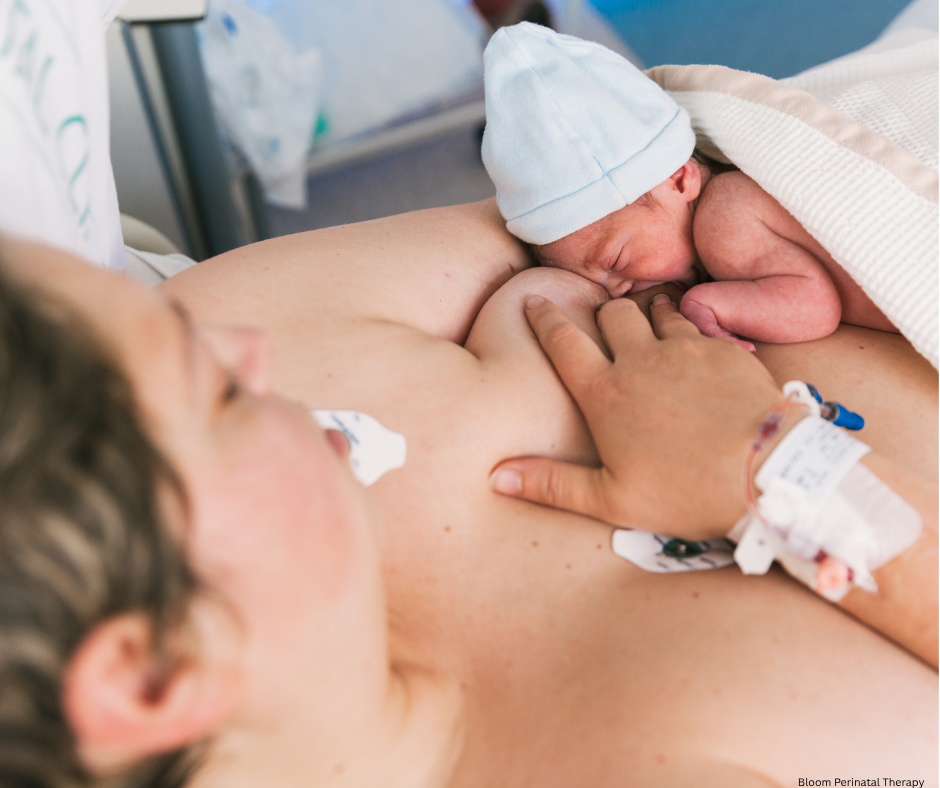
A healthy baby and a traumatic birth experience can both be true.
Birth trauma is not a sign of weakness.
Experiencing birth trauma does not mean:
You failed.
You didn’t do anything wrong to cause this outcome.
Your body failed.
Your body did the work to grow and birth your baby. A true medical complication or the failure of the medical care you received is the reason.
You weren't strong enough.
Surviving a terrifying, isolating, and physically overwhelming event takes immense strength.
You should "just be grateful."
This common phrase is deeply harmful. It silences suffering and implies that a mother's mental health is a fair price to pay for a live infant.
A healthy baby and a traumatic birth experience can both be true.
How Therapy Can Help

Andrea Crafton Birth Trauma Therapist
The emotional scars of a traumatic birth do not simply fade with the passage of time or the reassurance of a healthy baby.
Looking for support after a traumatic birth? If you are ready to take the next step toward healing, specialized support is accessible right from your home. Bloom Perinatal Therapy provides online birth trauma therapy for women throughout Missouri and Florida. You can safely process your unique birth story, find relief from the heavy weight of trauma, and confidently reclaim your peace on your journey through motherhood
