

The Hidden Struggles of Motherhood: What Every New Mom Should Know
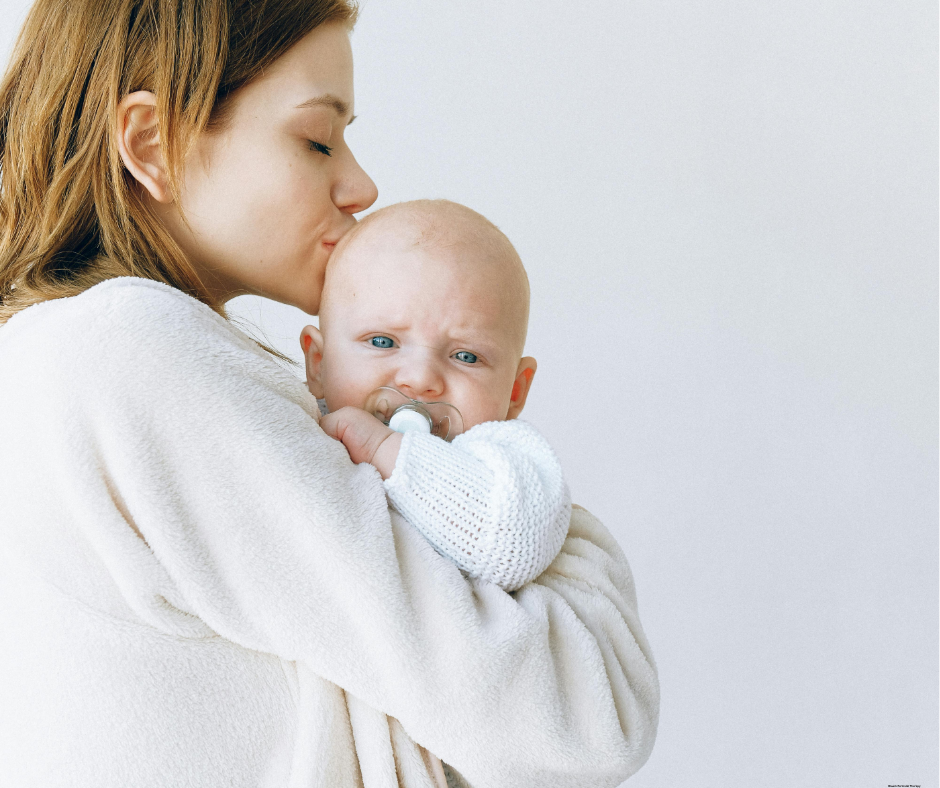
New mother adjusting to the emotional challenges of early motherhood.
I recently had the opportunity to join Nurse Practitioner Preston Holifield with Guardian Primary Care to talk about something that doesn't get discussed enough—the emotional realities of becoming a mother.
Social media often shows the highlight reel of motherhood: smiling babies, matching outfits, and picture-perfect moments. While those moments certainly exist, they don't tell the whole story.
Behind the photos, many mothers are adjusting to sleepless nights, physical recovery, changing hormones, identity shifts, and the overwhelming responsibility of caring for a new baby. These challenges are incredibly common, yet many women feel surprised by how difficult the transition to motherhood can be.
During our conversation, we discussed some of the most common struggles I see as a perinatal therapist and practical ways mothers can care for their mental health during pregnancy and postpartum.
Watch the Interview
I recently joined Family Nurse Practitioner Preston Holifield to discuss the hidden emotional challenges of motherhood, postpartum mental health, and practical ways mothers can care for themselves during this season.
If you prefer watching instead of reading, you can view our conversation below.
The Biggest Surprise About Motherhood
One of the most common things I hear from new moms is, "I wasn't prepared for how much my life would change."
Becoming a mother is one of life's biggest transitions. Along with welcoming a new baby comes a completely new identity. Many women find themselves wondering:
Who am I now?
How do I balance motherhood with everything else in my life?
How do I care for my baby while also caring for myself?
What happens when I return to work?
How do I meet the needs of my older children while caring for a newborn?
The transition to motherhood isn't simply about learning how to care for a baby—it's also about learning who you are in this new season of life.

New mother balancing caring for her baby, family responsibilities, and her changing identity.
Motherhood Can Be Both Beautiful and Difficult
One of the biggest misconceptions about motherhood is that if you're struggling, something must be wrong.
The truth is that motherhood can be filled with both joy and challenges.
You can deeply love your baby while also feeling overwhelmed.
You can feel grateful and exhausted.
You can experience happiness while grieving the life that looked different before becoming a mother.
These emotions are not contradictory—they're part of being human. Giving yourself permission to experience both joy and struggle can be an important step toward emotional well-being.
Some mothers experience more persistent symptoms such as postpartum depression or postpartum anxiety.
Motherhood isn't either joy or struggle—it can be both at the same time.
Download Your Free Postpartum Care Plan
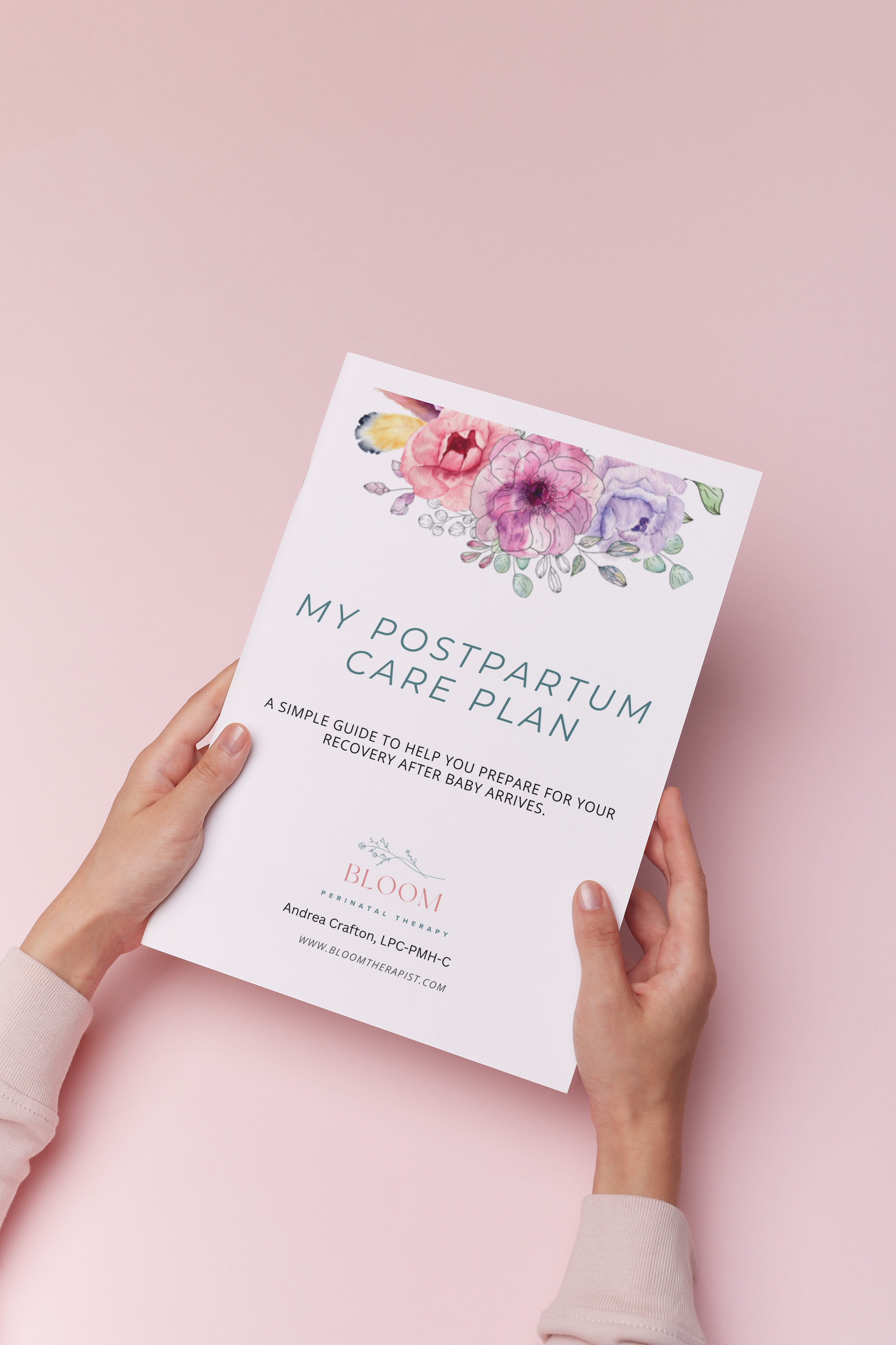
Why Taking Care of Mom Matters
During our conversation, Preston shared the familiar airplane analogy: before helping anyone else, you're instructed to put your own oxygen mask on first.
The same principle applies to motherhood.
Many moms naturally put everyone else's needs before their own, but caring for yourself isn't selfish—it's necessary.
When mothers receive adequate support, rest, nourishment, and encouragement, they're often better able to care for their babies and enjoy the postpartum experience.
One phrase that has always resonated with me is "Mothering the Mother." Supporting moms isn't taking attention away from babies—it's strengthening the entire family.
➜ Read: Mothering the Mother: Postpartum Support for New Moms

Partner caring for newborn while mother rests during postpartum recovery.
The Foundations of Postpartum Mental Health
There isn't one single factor that determines postpartum mental health, but there are several areas that deserve attention during the early weeks after birth.
Prioritize Sleep
Sleep is one of the biggest protective factors for postpartum mental health.
Although uninterrupted sleep can be difficult with a newborn, aiming for at least one three-hour stretch of uninterrupted sleep whenever possible can make a meaningful difference in mood, emotional regulation, and overall recovery.
This often requires support from a partner, family member, or trusted friend—but moms deserve that support. Learn more about supporting moms postpartum in my article Mothering the Mother.
Nourish Your Body
Healing after birth requires fuel.
Simple things like eating regular meals, staying hydrated, and accepting help with meal preparation can support both physical and emotional recovery.
Many moms become so focused on caring for their baby that they forget to care for themselves.
Don't Overlook Basic Self-Care
Taking a shower.
Changing into clean clothes.
Stepping outside for fresh air.
These may sound like small things, but during the postpartum period they can make a significant difference.
Basic self-care isn't about perfection—it's about meeting your own needs while adjusting to motherhood.
Give Yourself Permission to Process Your Emotions
Many mothers experience emotions they weren't expecting after birth.
Some feel anxious.
Some feel overwhelmed.
Some experience guilt, grief, disappointment, or fear.
For some women, these emotions may also be connected to a difficult or traumatic birth experience. Read more about the signs of birth trauma.
Rather than pushing those emotions away, allowing yourself to acknowledge and process them can be incredibly healing. Talking with someone who listens without judgment can help you feel less alone during this transition.
Why So Many Moms Feel Lonely
Despite being surrounded by people, many new mothers describe feeling incredibly lonely.
Social media often portrays motherhood as effortless, making it easy to compare your hardest moments to someone else's highlight reel.
Many moms also hesitate to share how they're feeling because they don't want to seem ungrateful or worry others.
The reality is that motherhood wasn't meant to be experienced alone.
Having supportive family members, friends, healthcare providers, or a therapist can make an enormous difference in a mother's emotional well-being.

Mother attending an online postpartum therapy session from home while caring for her baby.
Why Online Therapy Works So Well for Moms
One of the questions I receive most often is whether online therapy is as effective as meeting in person.
For many mothers, virtual therapy actually removes many of the barriers that make getting help difficult.
Instead of arranging childcare, packing a diaper bag, or driving across town with a newborn, moms can attend therapy from the comfort of home.
Online therapy also allows mothers to connect with specialized perinatal mental health providers, even if they don't live nearby.
For many women, having therapy available from their phone, tablet, or computer makes it much easier to prioritize their own mental health.
What to Look for in a Therapist
Choosing a therapist is a personal decision.
It's important to find someone who helps you feel safe, heard, and understood.
As you're searching for a therapist, consider asking:
Do they specialize in perinatal mental health?
Do you feel comfortable talking with them?
Do they answer your questions openly?
Do you feel respected and supported?
A strong therapeutic relationship is one of the most important parts of the healing process.
When Should You Reach Out?
Many mothers wait until they're completely overwhelmed before reaching out.
The truth is, you don't have to wait until you're in crisis.
If you're feeling persistently anxious, overwhelmed, emotionally exhausted, struggling after a difficult birth, or simply wishing you had someone to talk to, therapy can provide a supportive place to process your experiences.
Seeking help isn't a sign of weakness—it's an investment in both your own well-being and your family's.

Mother feeling supported and connected with her baby after receiving postpartum mental health support.
Final Motherhood Thoughts
Motherhood is one of the most rewarding experiences many women will ever have—but it's also one of the biggest life transitions.
You don't have to navigate it alone.
Whether you're pregnant, newly postpartum, adjusting to your identity as a mother, or simply looking for additional support, compassionate care is available.
If you're looking for specialized perinatal therapy in Missouri or Florida, I'd love to help.
Learn more about:
More About This Interview
This article expands on my conversation with Family Nurse Practitioner Preston Holifield. Together we discussed the realities of motherhood, postpartum mental health, and ways mothers can receive support during pregnancy and after birth.
Watch the full interview on YouTube.
