

A Realistic Postpartum Care Plan for Mom: How to Take Care of You
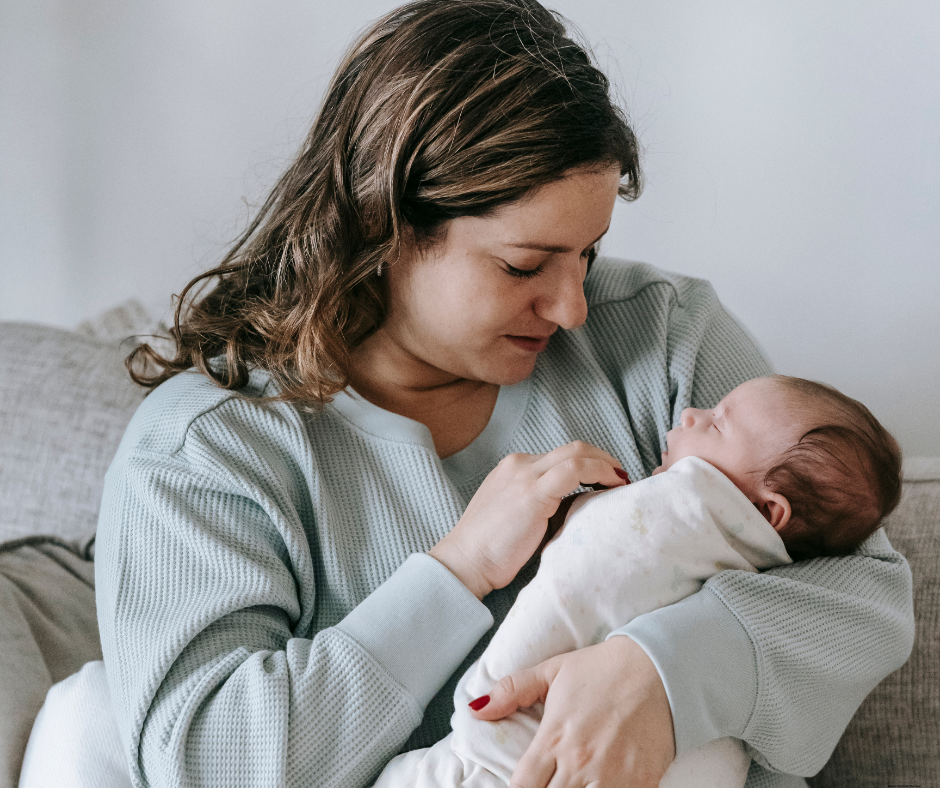
New mother bonding with her newborn while adjusting to postpartum recovery.
During pregnancy, many moms spend months preparing for labor and birth. They create birth plans, pack hospital bags, decorate nurseries, and research everything they need for their baby's arrival.
But one thing often gets overlooked: Who is going to care for Mom?
While it's common to hear advice like "Don't forget to take care of yourself," very few people explain what that actually looks like during the postpartum period.
The reality is that postpartum recovery is about much more than healing physically. It also involves adjusting emotionally, mentally, and socially as you navigate one of life's biggest transitions.
Creating a postpartum care plan isn't about achieving perfection or adding another task to your to-do list. It's about identifying the support, habits, and resources that can help you recover, care for your baby, and care for yourself with compassion.
Download Free Postpartum Care Plan
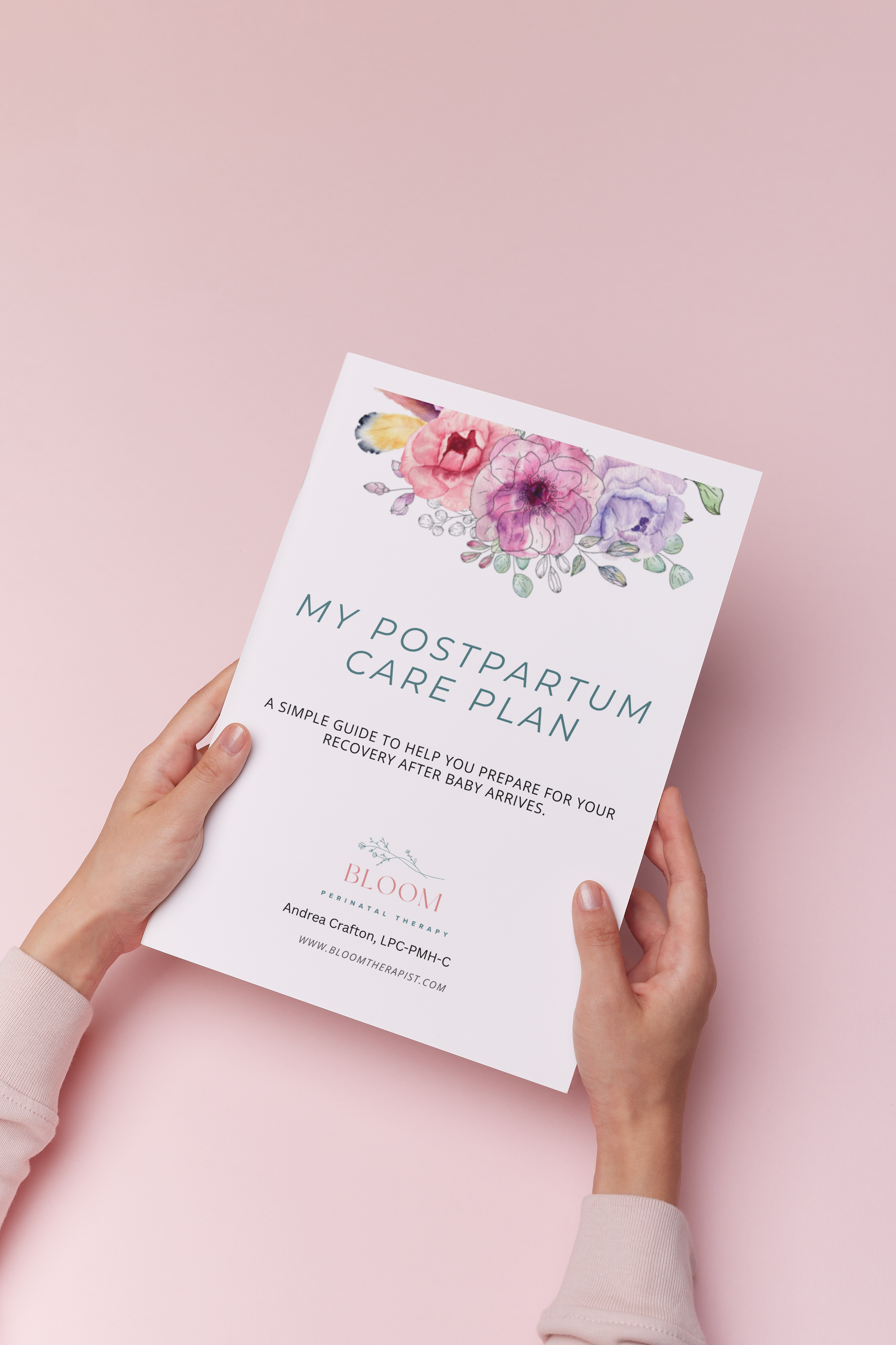
Free Downloadable Postpartum Plan for Moms
Why Every Mom Needs a Postpartum Care Plan

Pregnant woman creating a postpartum care plan before welcoming her baby.
We often spend more time planning for birth than planning for recovery.
Yet once the baby arrives, life changes overnight.
Your body is healing.
You're learning to care for a newborn.
Your sleep is interrupted.
Your hormones are changing.
Your identity is evolving.
At the same time, many moms feel pressure to "bounce back," keep the house running, care for everyone else, and somehow enjoy every moment.
Having a postpartum care plan doesn't mean everything will go according to plan. Instead, it gives you something to lean on when life feels overwhelming and helps remind you that your needs matter, too.
While this article focuses on how moms can care for themselves, support from others also plays an important role. Learn ways family and friends can help in Mothering the Mother: Postpartum Support for New Moms.
Why Self-Care Can Feel So Difficult After Baby
Many moms tell me they know they should take care of themselves—but they don't know how.
Others feel guilty even thinking about their own needs.
You may find yourself thinking:
My baby needs me more.
I'll rest later.
I should be able to handle this.
I don't want to burden anyone.
Other moms seem to be doing just fine.
These thoughts are incredibly common, but they can also keep moms from asking for the support they deserve.
Taking care of yourself isn't selfish. It's an important part of caring for your baby and your family. For some mothers, recovery may also involve healing from a difficult or traumatic birth experience.
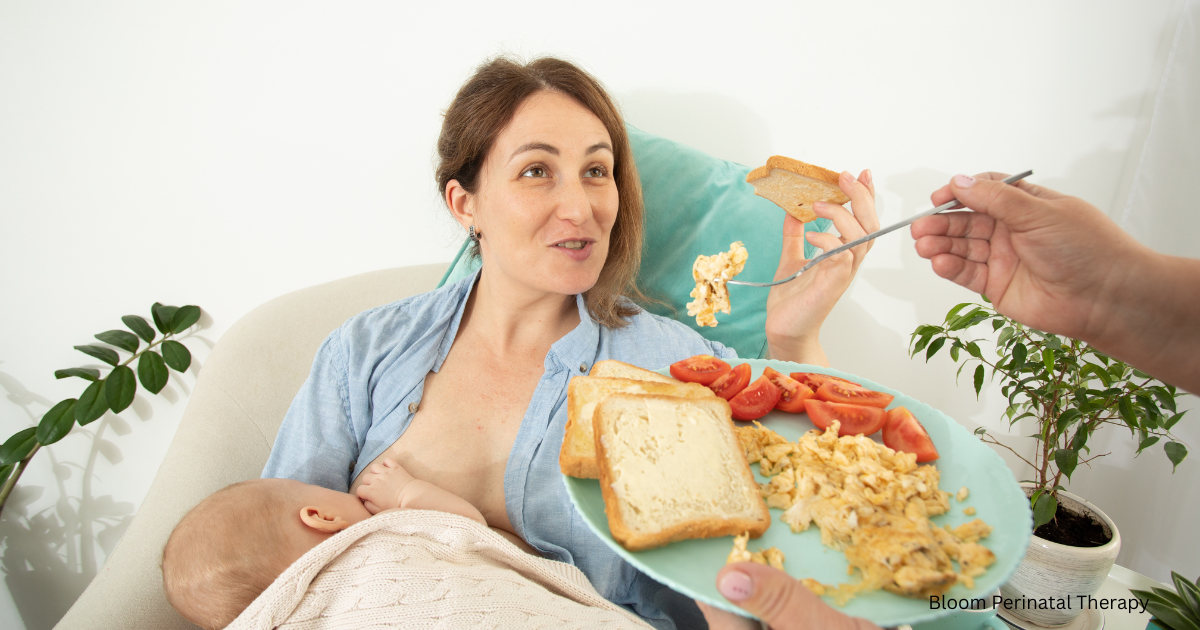
Mother taking time to meet her own basic needs during the postpartum period.
What Does Postpartum Self-Care Really Look Like?
When people hear the words "self-care," they often picture spa days, massages, or weekend getaways. While those things can certainly be enjoyable, they're not realistic for most new moms.
Real postpartum self-care is often much simpler. It may look like:
Accepting help with dinner.
Taking a shower without feeling rushed.
Drinking enough water while feeding your baby.
Resting when someone offers to hold the baby.
Saying "yes" when a friend asks how they can help.
Letting someone else take care of household tasks such as the dishes, laundry, or putting clean sheets on your bed.
Sometimes the smallest acts of caring for yourself have the biggest impact.
As you're thinking through your own postpartum recovery, my free Postpartum Care Plan Workbook includes planning pages for your support team, basic needs, boundaries, sleep, and mental health check-ins to help you prepare before your baby arrives.
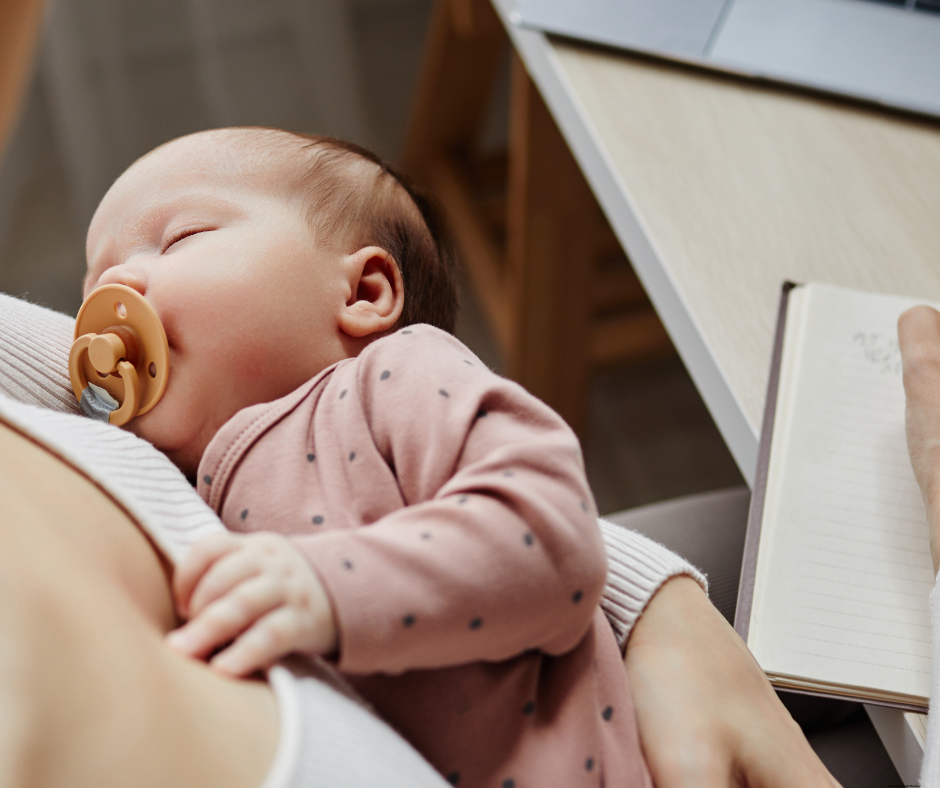
New mother creating a realistic postpartum care plan with support for recovery and mental health.
Build Your Postpartum Care Plan
Sleep
Sleep is one of the biggest protective factors for postpartum mental health.
While uninterrupted sleep can be difficult with a newborn, even one three-hour stretch of uninterrupted sleep can support emotional well-being and recovery.
Ask yourself:
Who can help with nighttime feedings?
Can my partner take one shift?
Is there a trusted family member who could help during the day so I can rest?
What will I do if I'm becoming severely sleep deprived?
Remember, asking for help isn't a sign of weakness. Rest is a basic need—not a luxury.
Nourishment
Your body has worked incredibly hard throughout pregnancy and birth.
Recovery requires nourishment.
Think beyond meal planning.
Ask yourself:
Who can prepare meals?
Can I make access to snacks easy?
Do I have a water bottle nearby while feeding my baby?
What foods help me feel energized?
Even simple, nourishing meals can make a meaningful difference in how you feel.

New mother receiving emotional support during the postpartum period.
Emotional Support
Motherhood can sometimes feel lonely, even when you're surrounded by people.
Think about the people who help you feel safe, supported, and understood.
Ask Yourself:
Who can I call when you're overwhelmed?
Who listens without judgment?
Who can remind me that I’m doing enough?
If you don't have someone in your immediate circle, connecting with a therapist or support group can provide a safe place to process your thoughts and emotions.
Gentle Movement
As your body heals and your healthcare provider says it's safe, gentle movement can support both physical and emotional recovery.
This doesn't have to mean intense workouts.
It might simply look like:
A short walk outside.
Stretching.
Sitting on the porch with your baby.
Spending a few minutes in the sunshine.
Putting a blanket on the ground and sitting outside with baby.
Small moments of movement and being outside can help improve mood, reduce stress, and reconnect you with your body.
Caring for Your Mental Health
It's normal to experience a wide range of emotions after having a baby. Some days may feel joyful, while others may feel overwhelming.
Take a moment to ask yourself:
How am I really feeling today?
What emotions keep showing up?
Am I feeling supported?
Do I feel like myself?
If sadness, anxiety, intrusive thoughts, or feelings of hopelessness begin interfering with your daily life or last longer than two weeks, it's important to reach out for professional support.
You don't have to wait until you're in crisis to ask for help.
➡ Read: Baby Blues vs. Postpartum Depression: What You Need to Know
Rest Without Guilt
One of the hardest things for many moms is giving themselves permission to rest.
The dishes can wait.
Laundry can wait.
Your recovery deserves attention, too.
Rest isn't something you have to earn.
It's something your body needs as it heals.
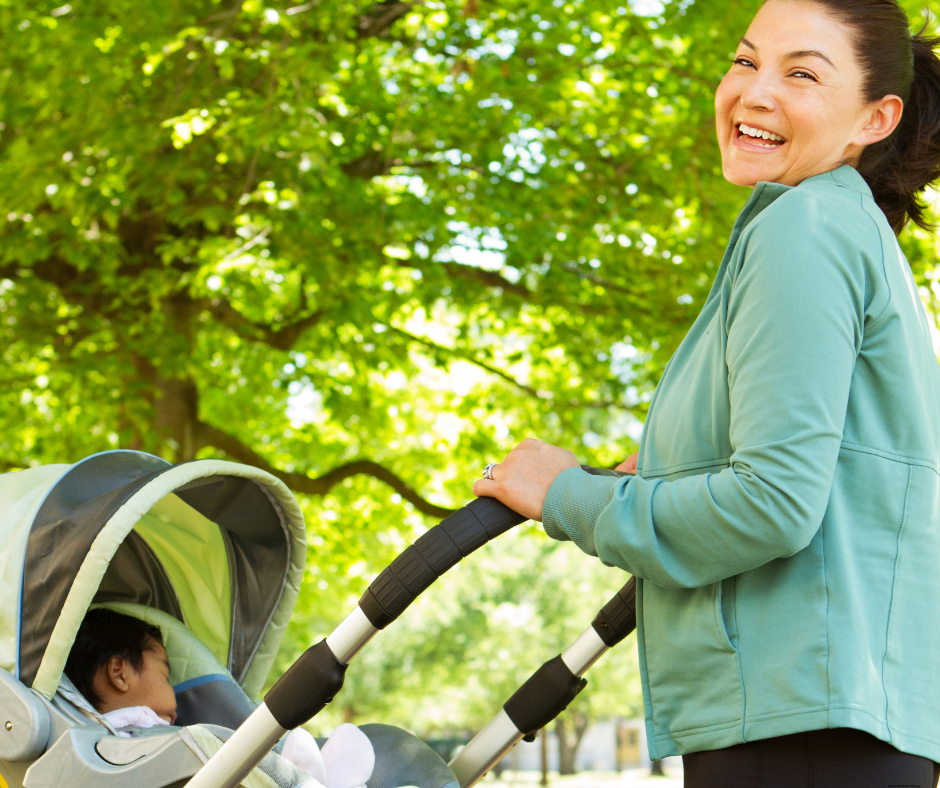
Mother practicing gentle self-care while recovering after childbirth.
Reconnecting With Yourself
As you adjust to motherhood, it's easy to feel like you've lost parts of yourself.
Ask yourself:
What helps me feel like me?
What brings me peace?
What activities help me recharge?
To reconnect with yourself it may look like:
Readying for 10 minutes.
Listening to your favorite music.
Having coffee outside.
Talking with a friend.
Journaling.
These moments may seem small, but they help remind you that you are more than your daily responsibilities.
Let Go of Mom Guilt
Many moms carry guilt around resting, asking for help, or taking time for themselves.
But here's the truth:
Your well-being matters.
Caring for yourself doesn't take away from your baby—it allows you to show up with more patience, energy, and emotional presence.
Taking care of yourself is one of the ways you care for your child.
You Don't Have to Do This Alone
Motherhood was never meant to be experienced in isolation.
Whether your support comes from your partner, family, friends, a postpartum doula, your healthcare team, or a therapist, accepting help is one of the healthiest things you can do.
If you're finding the transition to motherhood more difficult than expected, know that support is available and healing is possible.
Ready to Prepare for Postpartum?
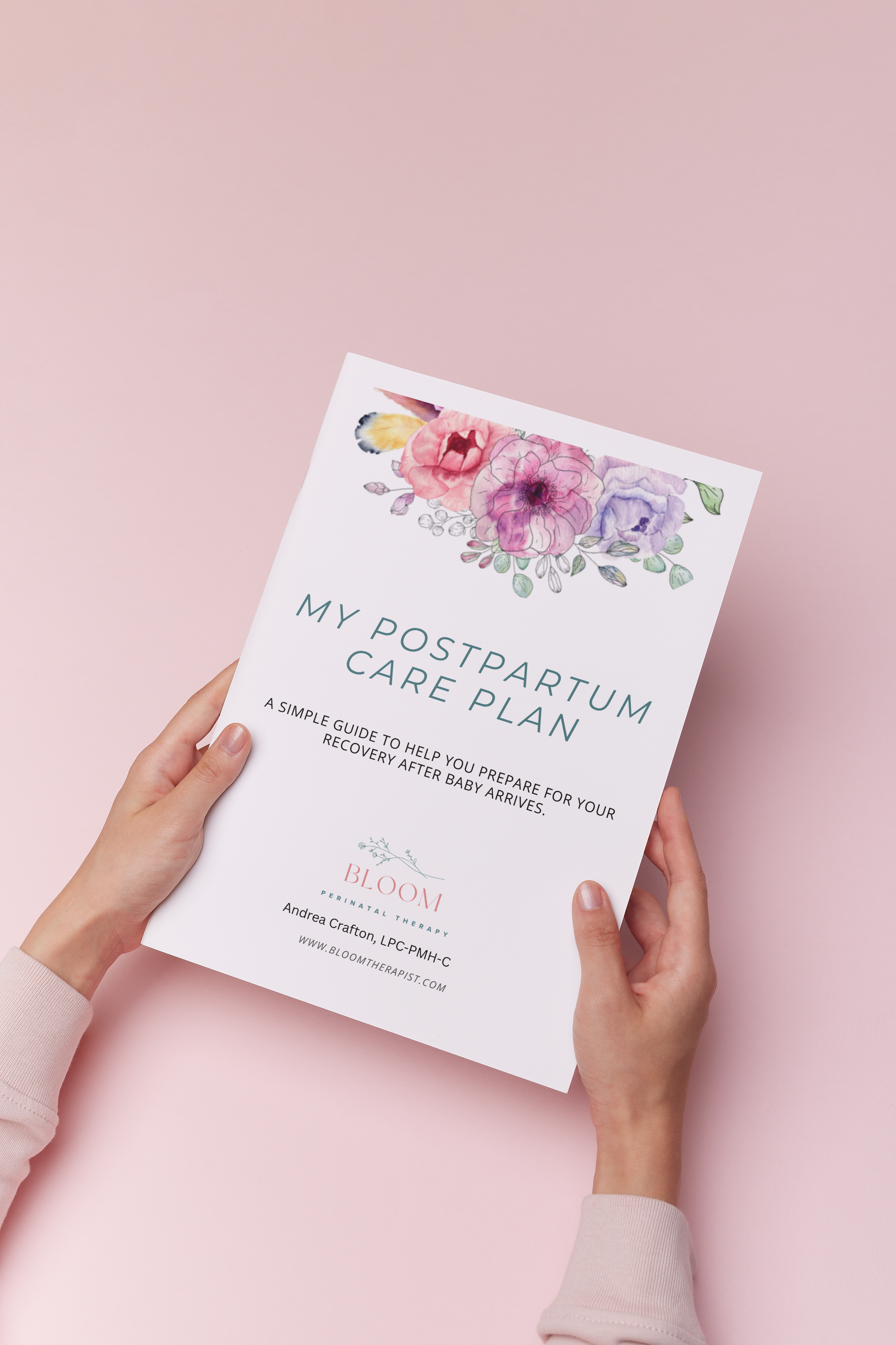
My Postpartum Care Plan
Whether you're expecting your first baby or adding another child to your family, creating a postpartum plan can help you feel more prepared for recovery.

Mother feeling emotionally supported and connected with her baby after postpartum recovery.
Final Thoughts
Creating a postpartum care plan isn't about doing everything perfectly. It's about preparing yourself with realistic strategies and a supportive community before you need them.
Your recovery matters.
Your mental health matters.
And just as your baby deserves loving care, you deserve it, too.
If you're pregnant or postpartum and looking for additional support, Bloom Perinatal Therapy provides compassionate online therapy for moms throughout Missouri and Florida. Together, we can create a plan that supports your emotional well-being as you navigate this new chapter.
